What we check before selection
- Different materials, sizes and object sensitivities
- Minimized unnecessary movement and contact
- Controlled access and operation in confined collection storage
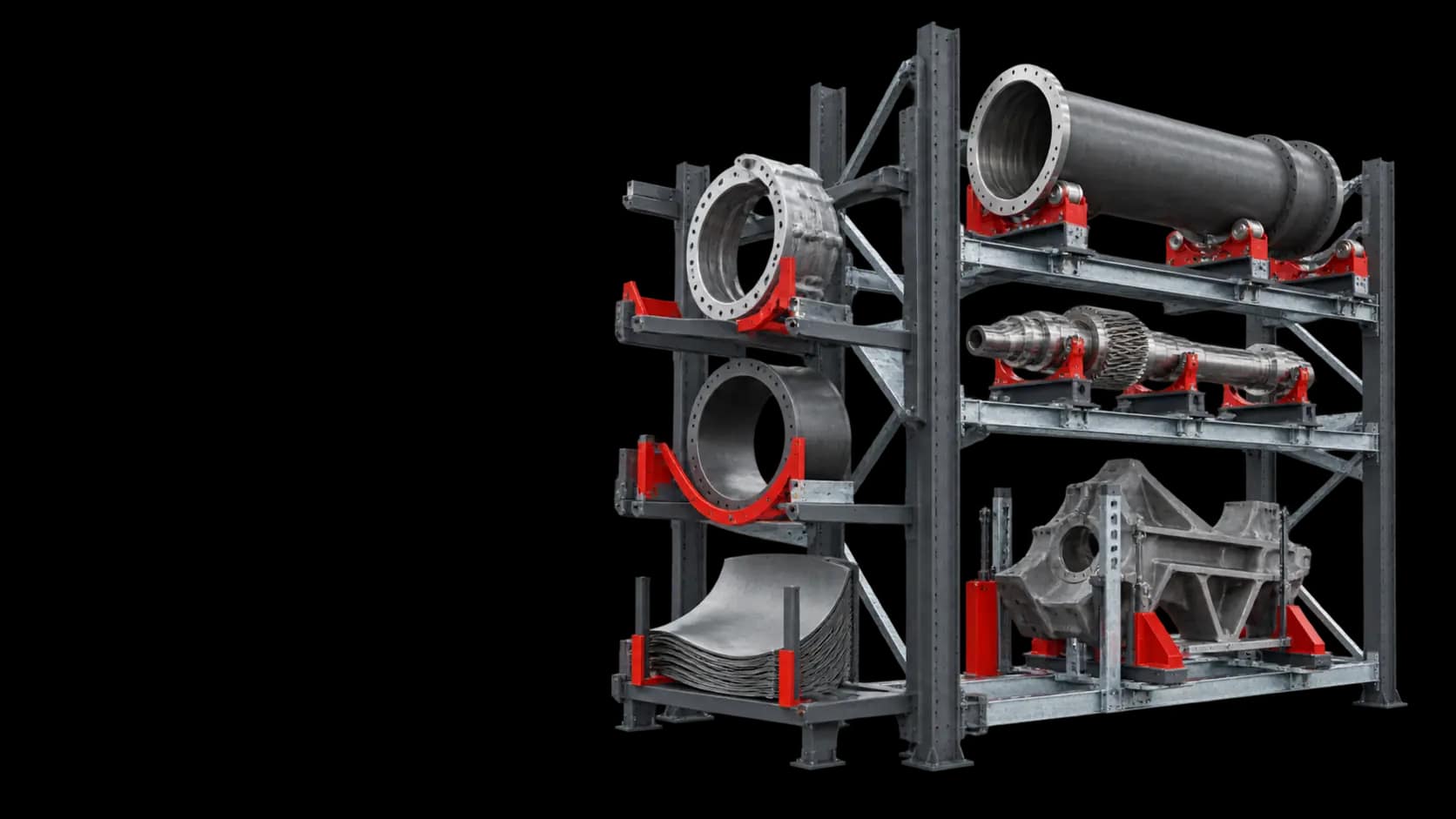
We separate paintings, works on paper, shelf-held objects and large exhibits by format, support method, access frequency and the collection keeper's requirements.
A museum collection is segmented by material, format, condition and safe support method. The solution is developed with a curator or conservator; the racking structure does not by itself determine the microclimate or preservation regime.
Compare storage methods for the application: Museums, paintings and collection stores: loads, access and flow help determine the suitable structure. We will agree on bay dimensions and levels according to your containers and equipment.
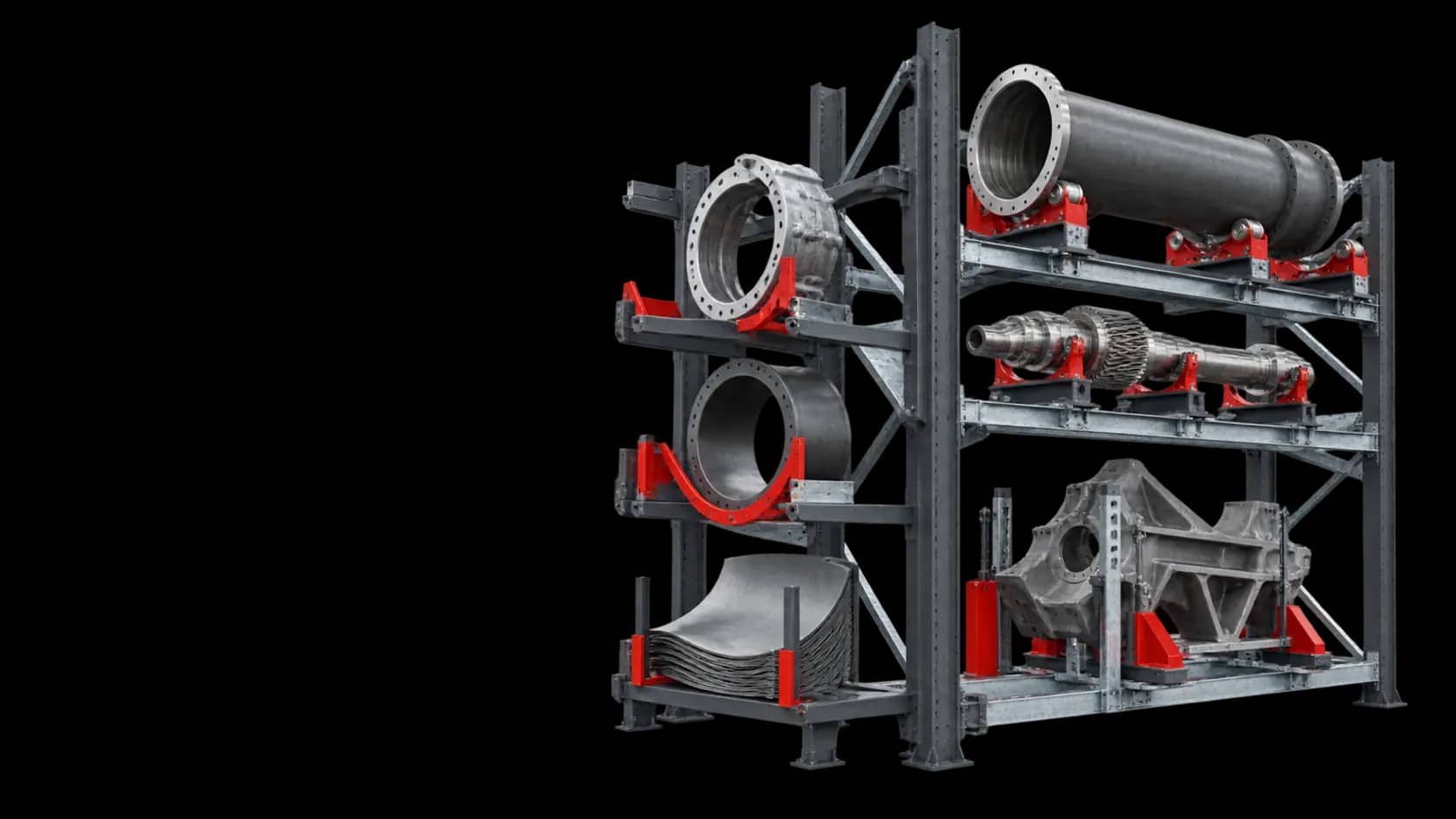 Specialized loads · Engineering calculation
Museums, paintings and collection stores: Non-standard goods · By handling process
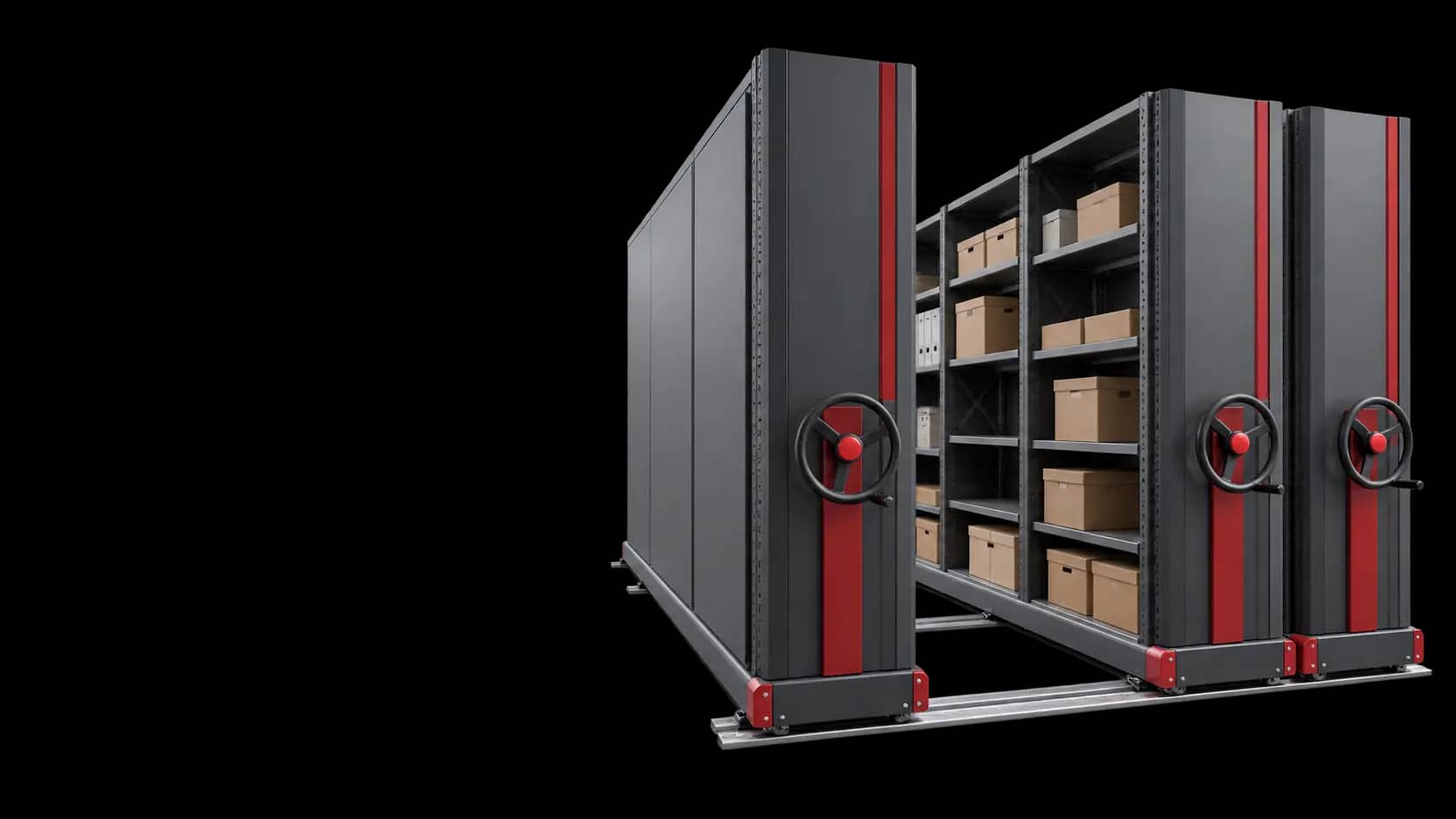 Cartons and piece goods · Engineering calculation
Museums, paintings and collection stores: Cartons, documents and piece goods · Through the active aisle
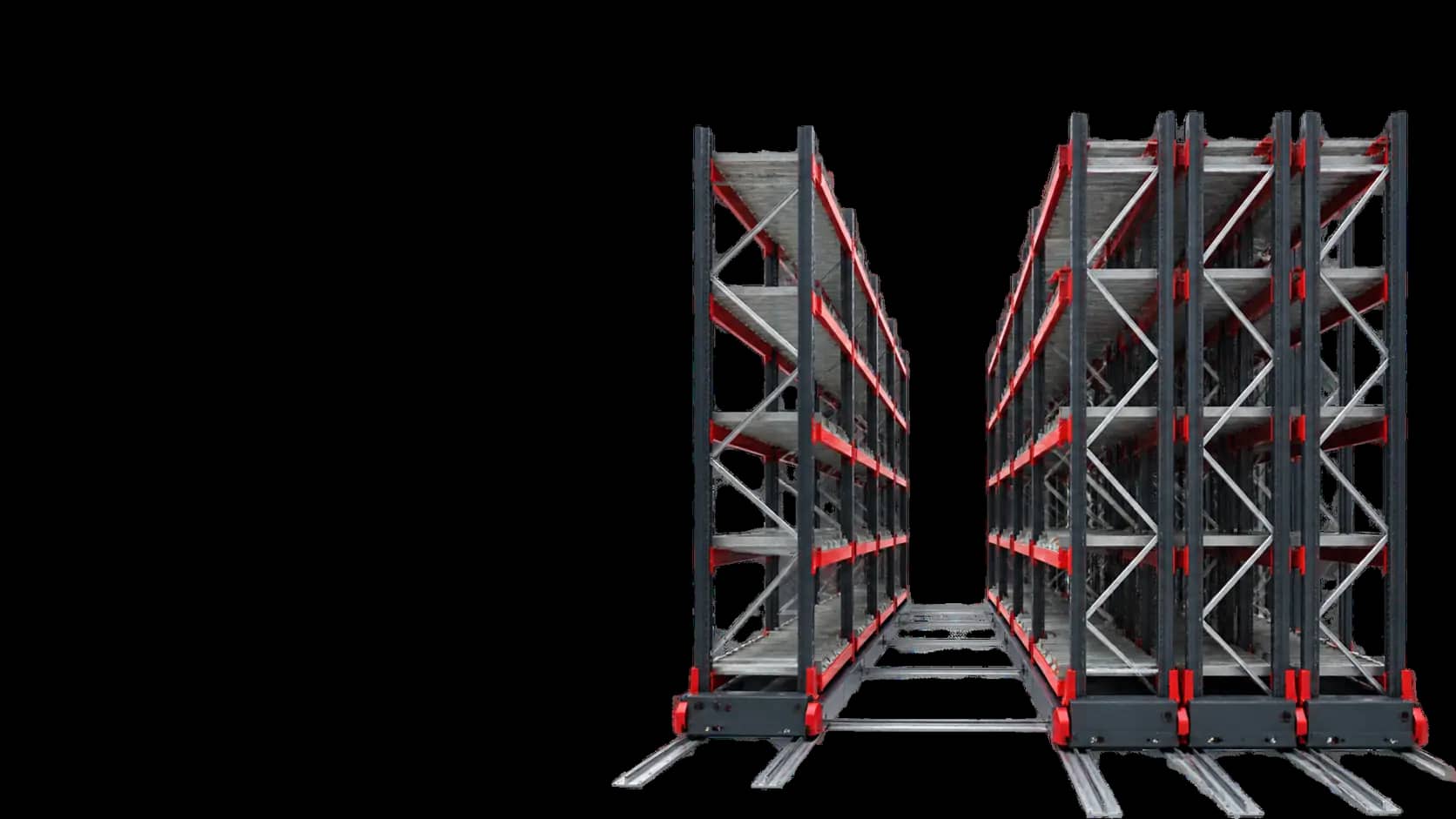 Specialized loads · Engineering calculation
Museums, paintings and collection stores: Pallets, cartons and archives · Through the active aisle
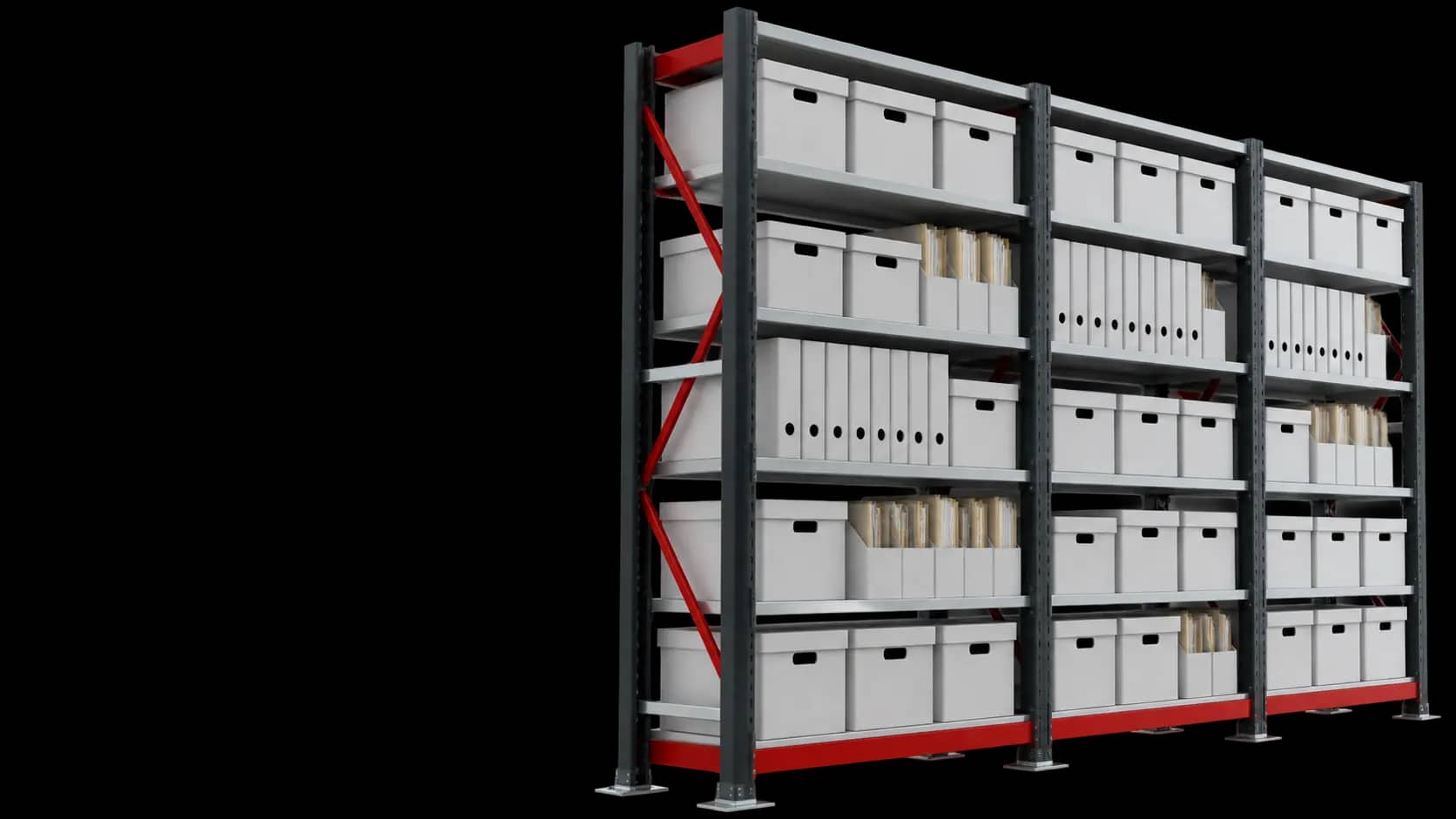 Cartons and piece goods · Configurator
Museums, paintings and collection stores: Documents and archive boxes · Manual
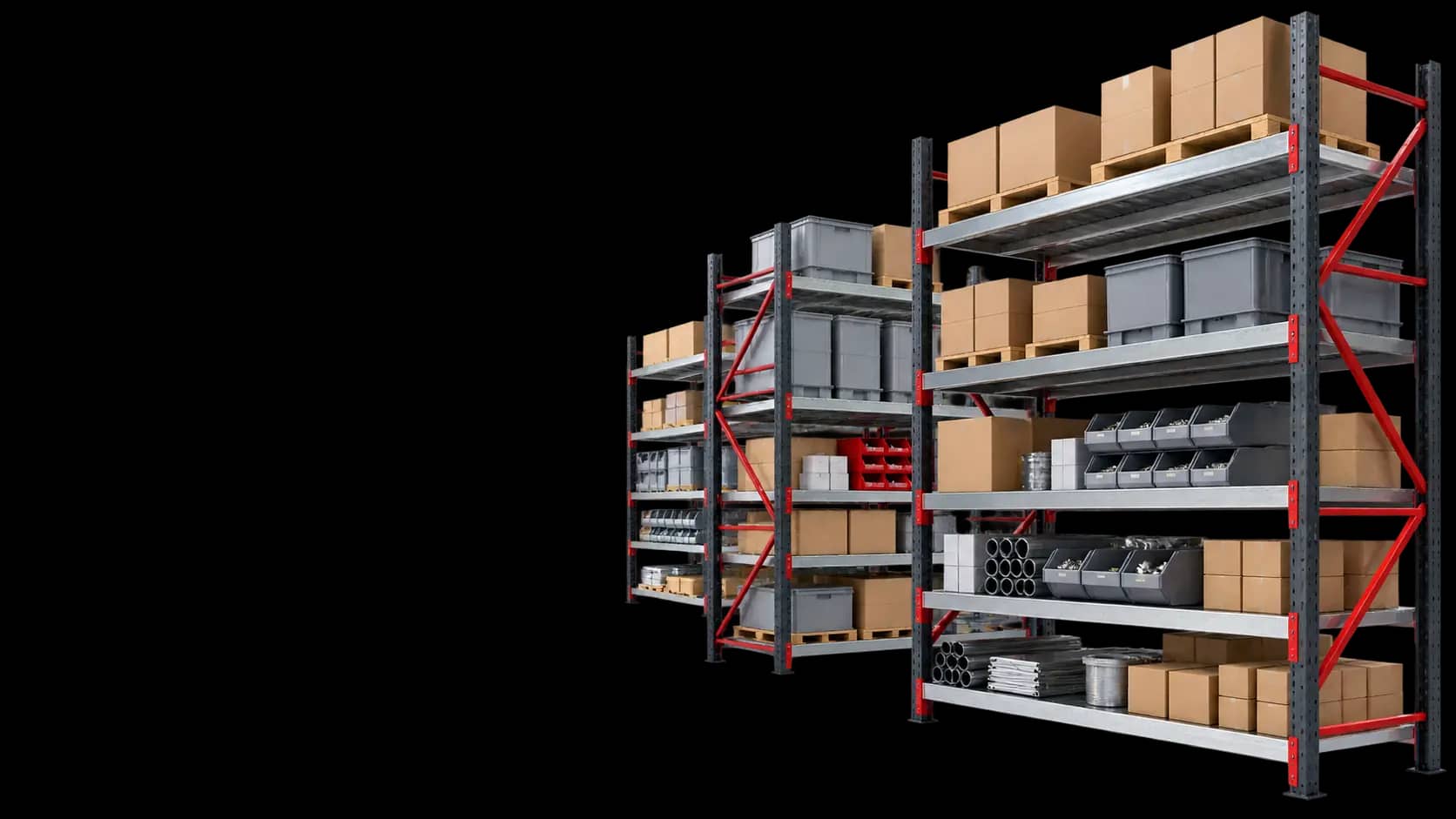 Cartons and piece goods · Configurator
Museums, paintings and collection stores: Cartons and piece goods · Every shelf
Prepare load and warehouse parameters for the selected system.
Vertical storage may use fixed or pull-out mesh panels when fastening, object spacing and load are approved for the collection. Small or unstretched works may require horizontal shelves, drawers or purpose-made enclosures.
Objects on shelves, in boxes, cabinets and cradles cannot be reduced to one universal location. For each group, check contact material, stability, inspection access and the ability to move it without dismantling neighbouring objects.
The plan covers not only collection rows but also object intake, inspection, temporary placement, packing and safe removal. Aisles, doors and turns are checked against the largest object and transport equipment.
Compare suitable bays and kits. Confirm load dimensions, weight and installation conditions before ordering.
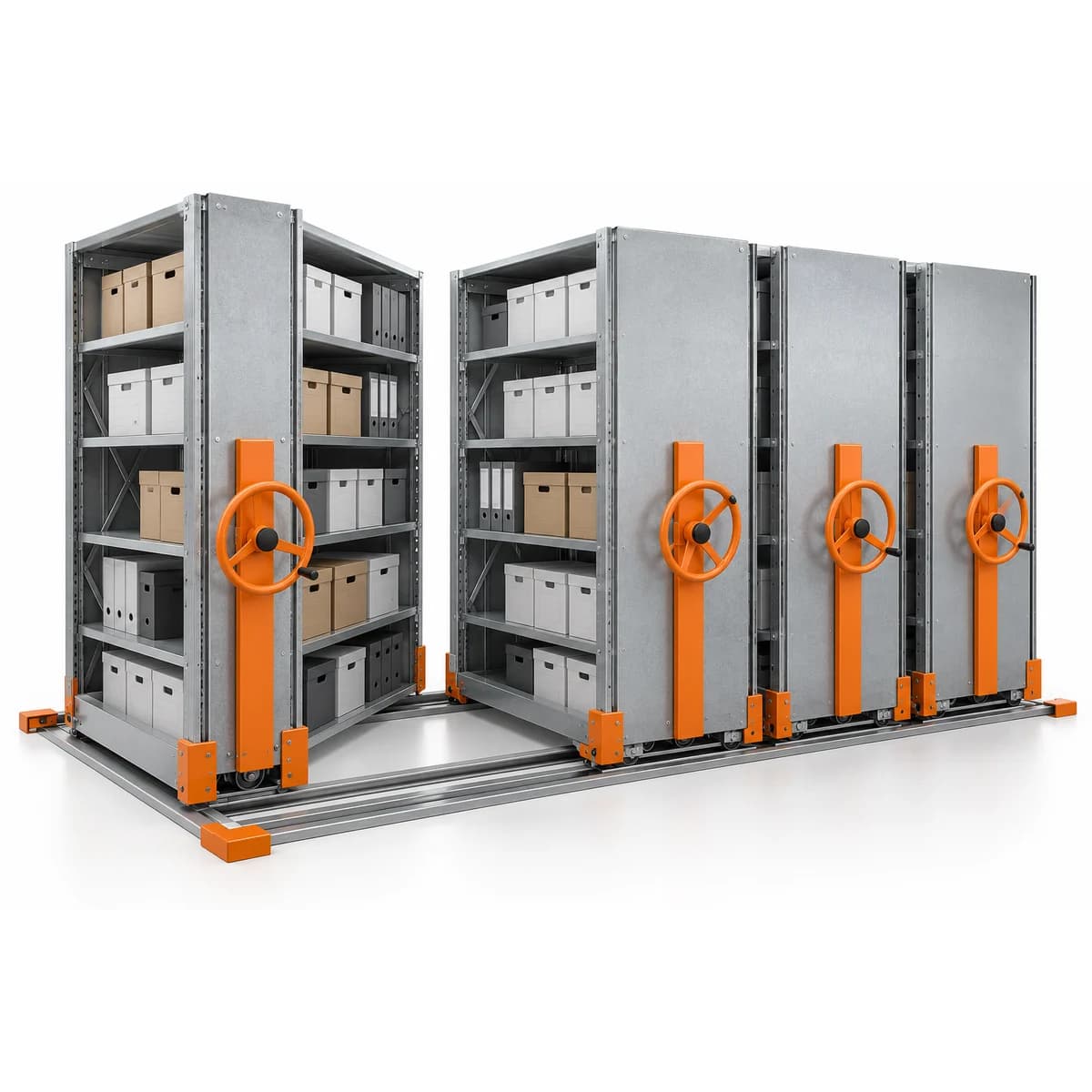 MB · Racking set
Mobile archive shelving Maxstore MB-01, 1 block. Use mobile shelving rows to open an aisle to the required stock group. Match capacity to access frequency, floor loading and operating requirements. Configuration height: 2300 mm; 6 levels; module width and depth: 3000×600 mm. Confirm load dimensions, operating aisles and supports. The target load is a design input; the permitted load is determined for the approved configuration.
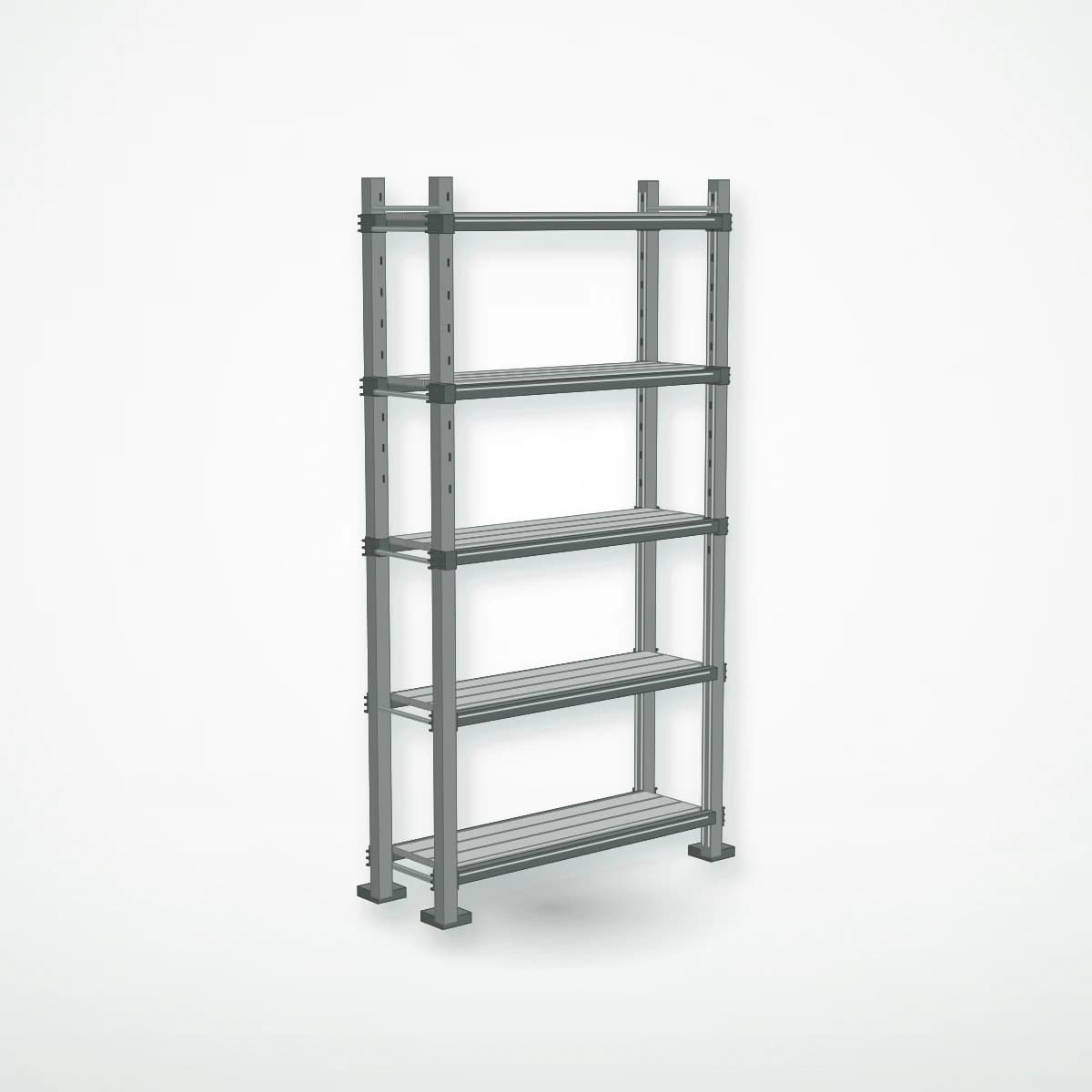 SH-T · T100 · Starter bay
Organise boxes, documents and light individual goods on open shelves for manual picking. Light-duty shelving bay 2000×1000×300, 5 shelves, starter. Series SH-T T100; dimensions H×W×D: 2000×1000×300 mm; 5 storage levels. The listed configuration has limits of 100 kg per level and 500 kg per bay; both limits apply when arranging goods. Use this starter bay to begin a row and select compatible add-on bays for expansion. Confirm the loading arrangement, load supports and scope of supply before ordering.
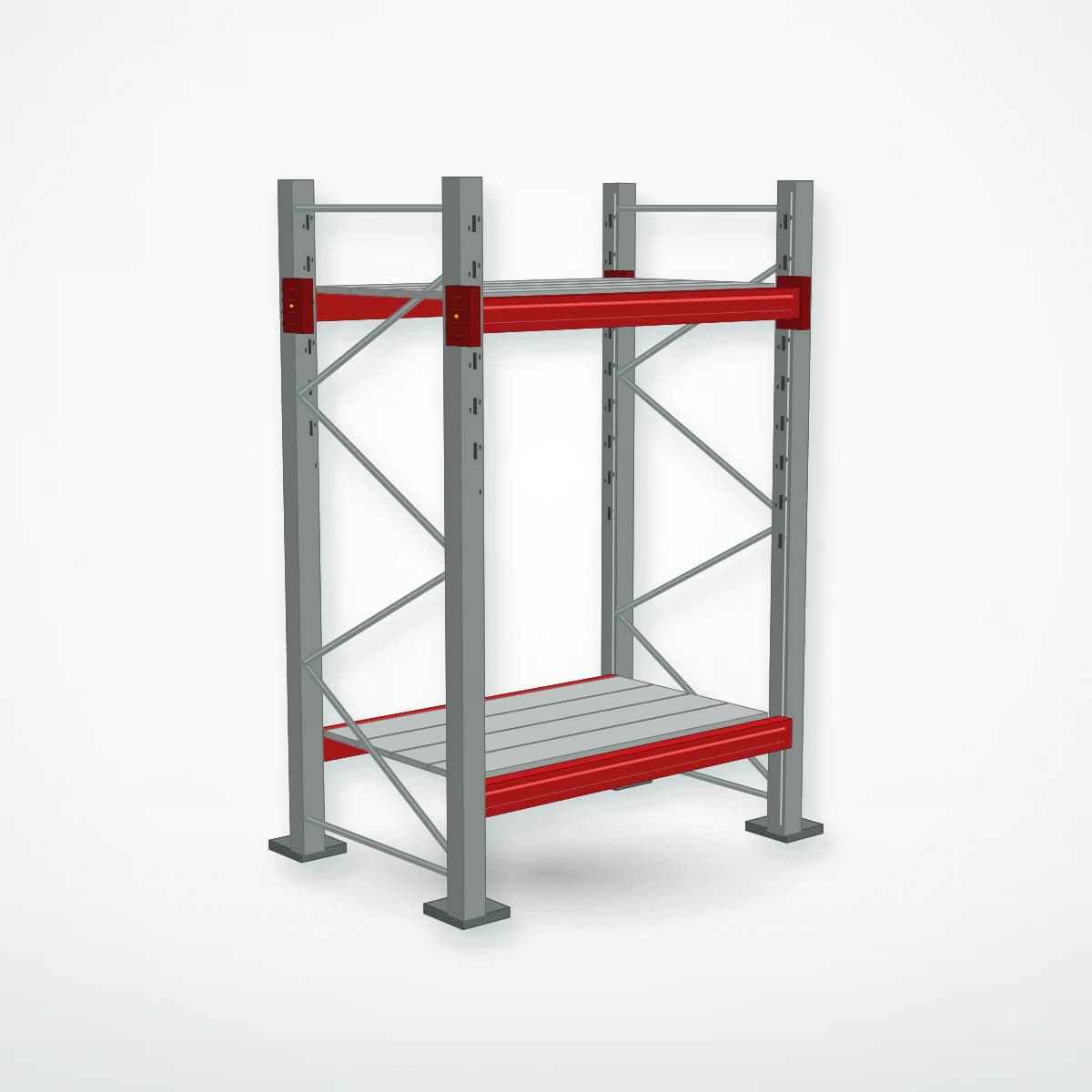 PF-DECK · MET900 · Starter bay
Create front-access storage with steel shelves for compatible pallets and containers. Front pallet bay with steel shelves 2000×1250×785, 2 levels, starter. Series PF-DECK MET900; dimensions H×W×D: 2000×1250×785 mm; 2 storage levels. The listed configuration has limits of 500 kg per level and 1000 kg per bay; both limits apply when arranging goods. Use this starter bay to begin a row and select compatible add-on bays for expansion. Confirm the loading arrangement, load supports and scope of supply before ordering.
Describe your goods, building, handling equipment and expected throughput. If you have a site plan, reply to the assigned manager with the file after your request is registered.
