Связь рамы · Frame
Раскос рамы Сталь / СуперЦинк
Цена по запросуЧертёж и нагрузки →
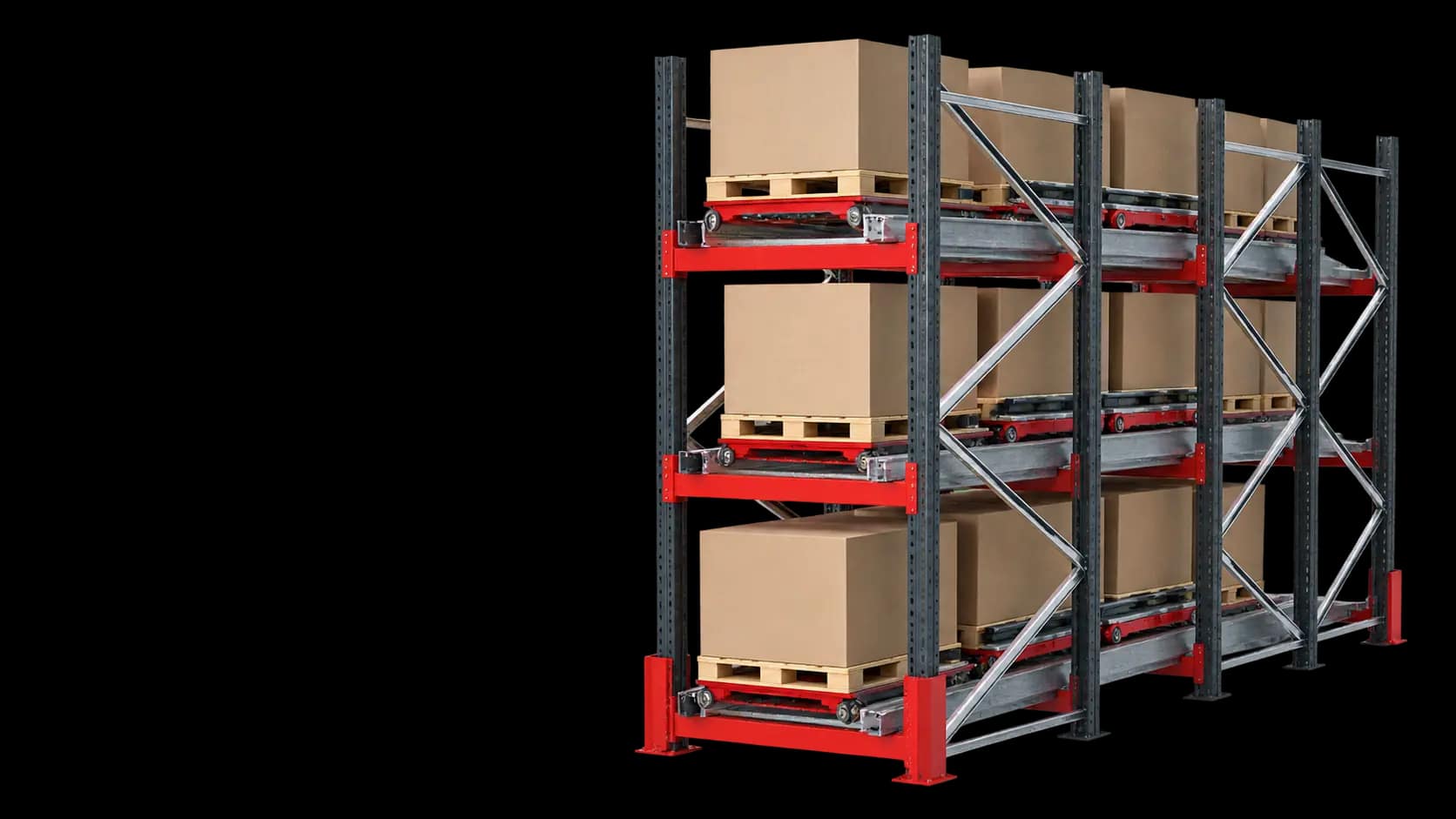
Несколько паллет в глубину при загрузке и отборе с одного фронта.
For the “Push-back racking” system, prepare these three sets of inputs. Continue with the questionnaire to refine the parameters before calculation.
Confirm the pallet type, dimensions, load securing and condition.
Weight and batch count affect the concept and capacity.
Lane count and channel depth determine the number of pallet positions.
Рассмотрите размещение груза и узлы системы «Push-Back». Проектные иллюстрации помогают выбрать компоновку; рабочие размеры и комплектность определяются спецификацией.
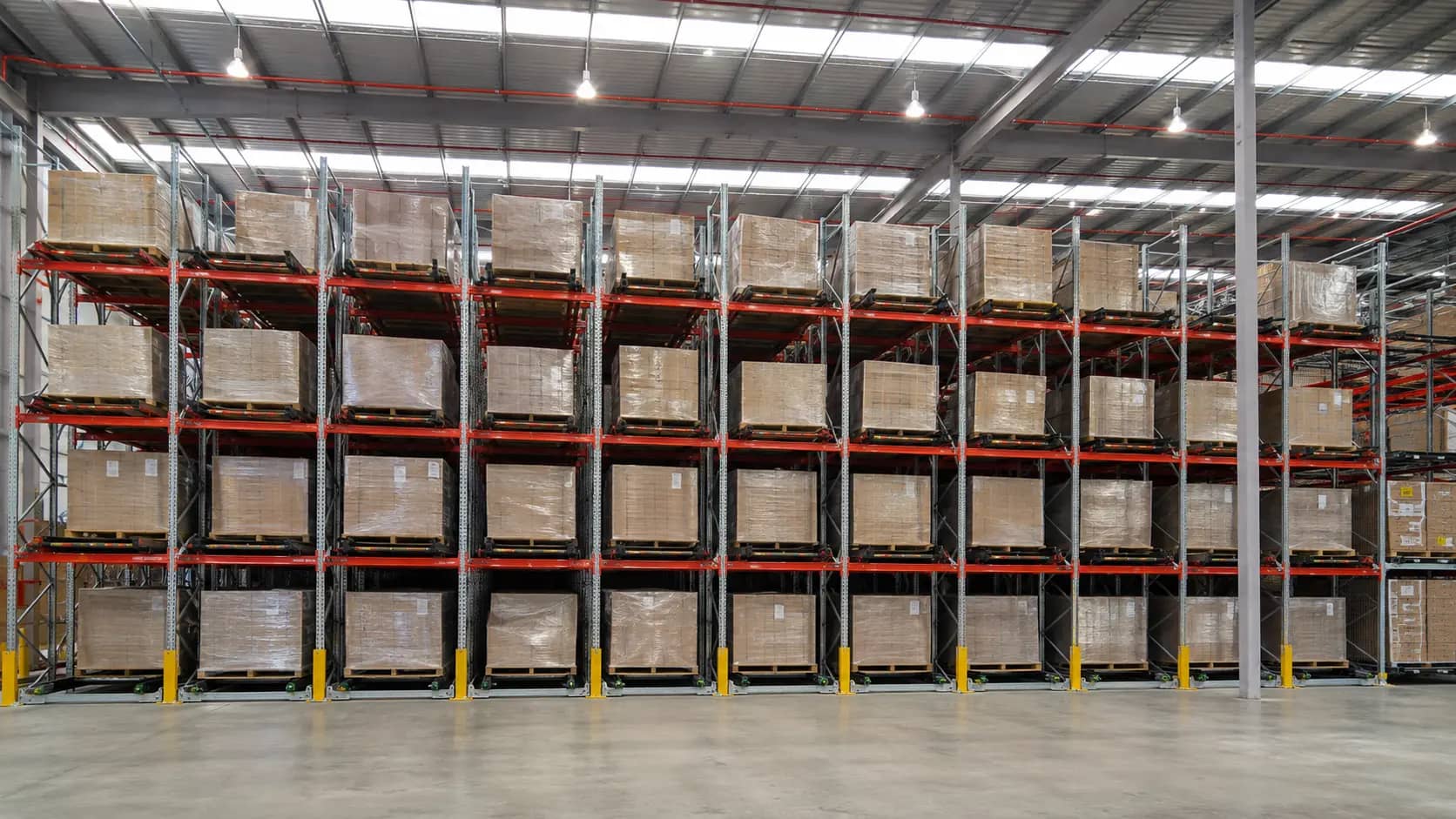
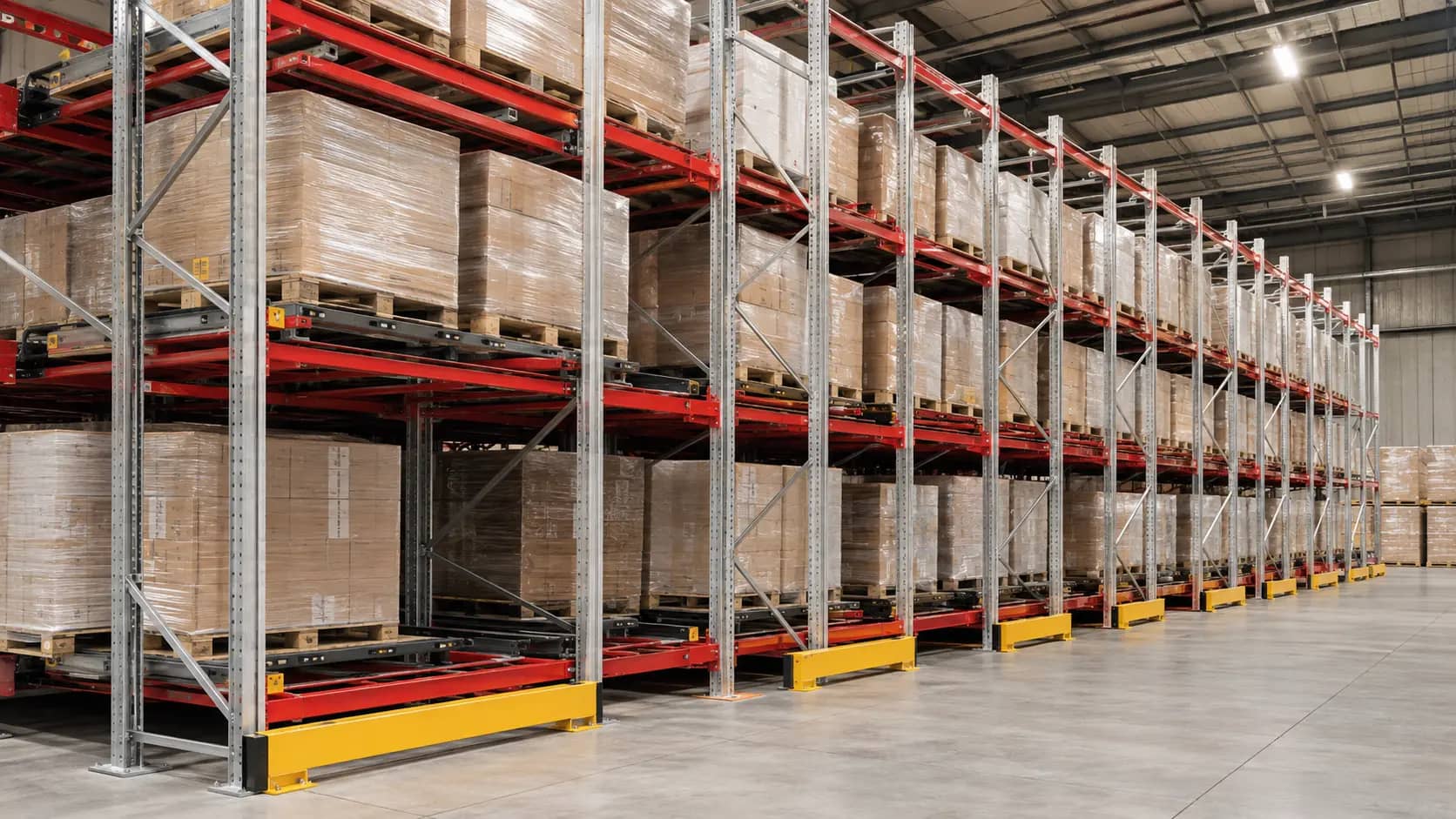
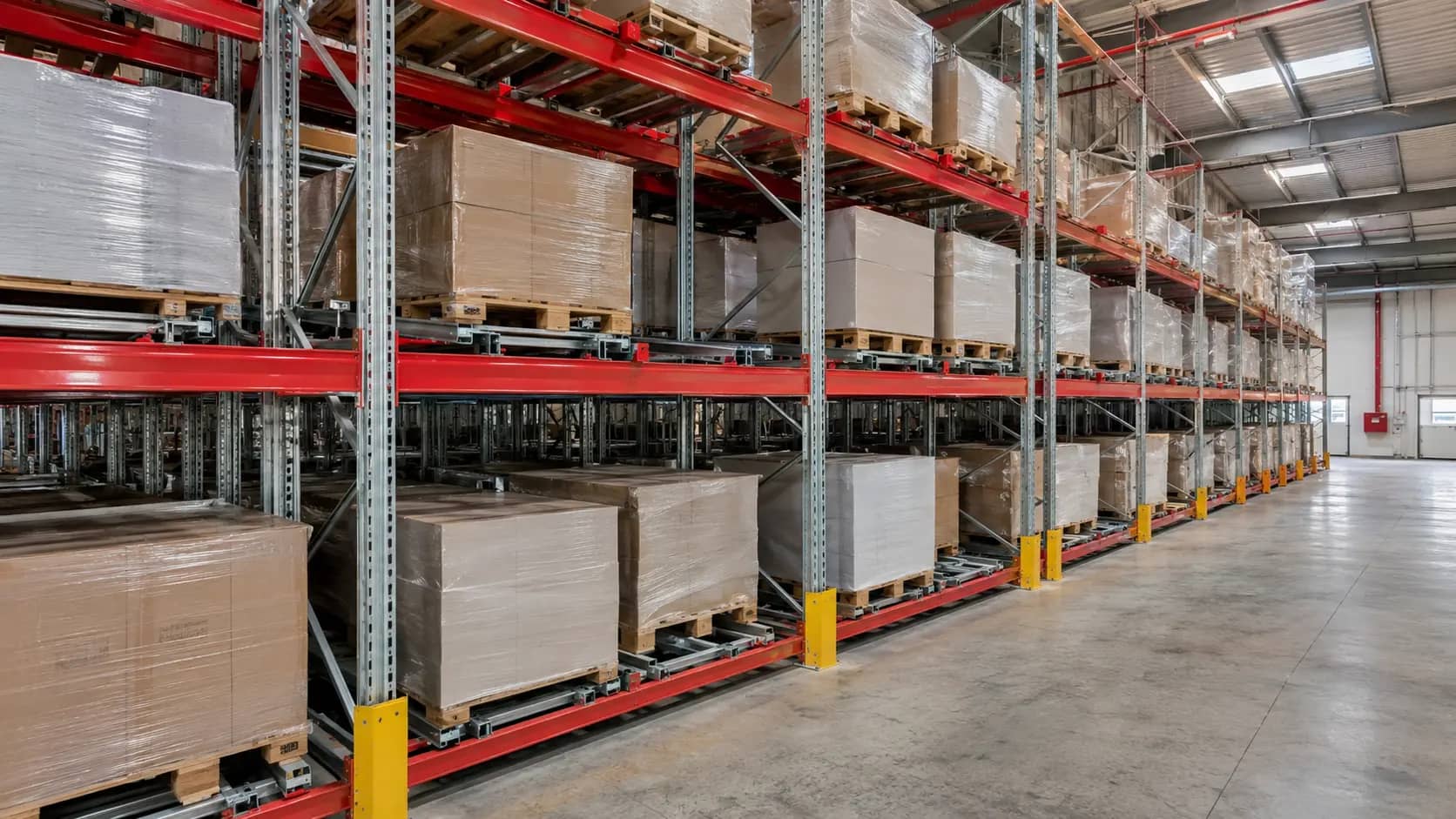
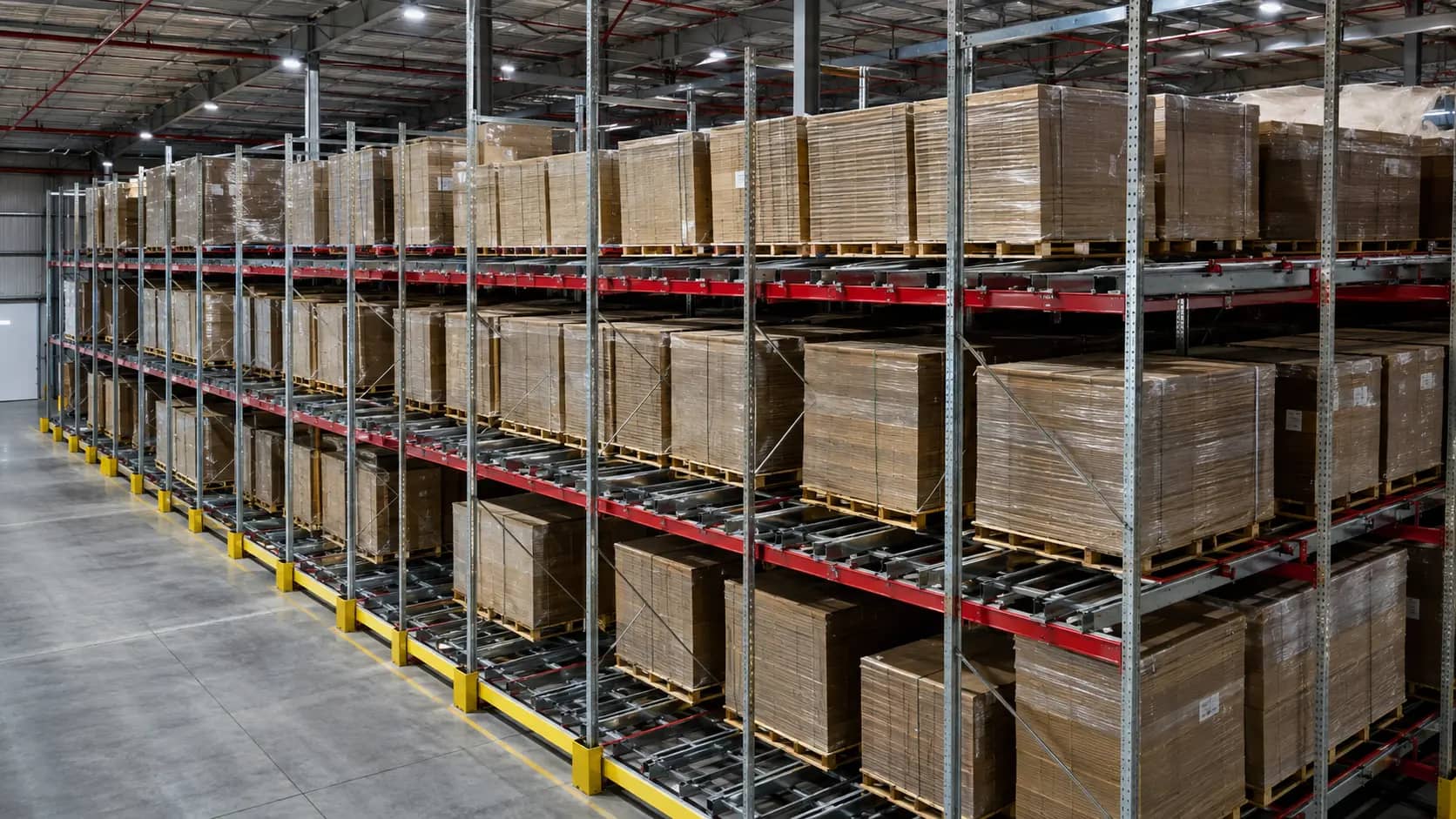
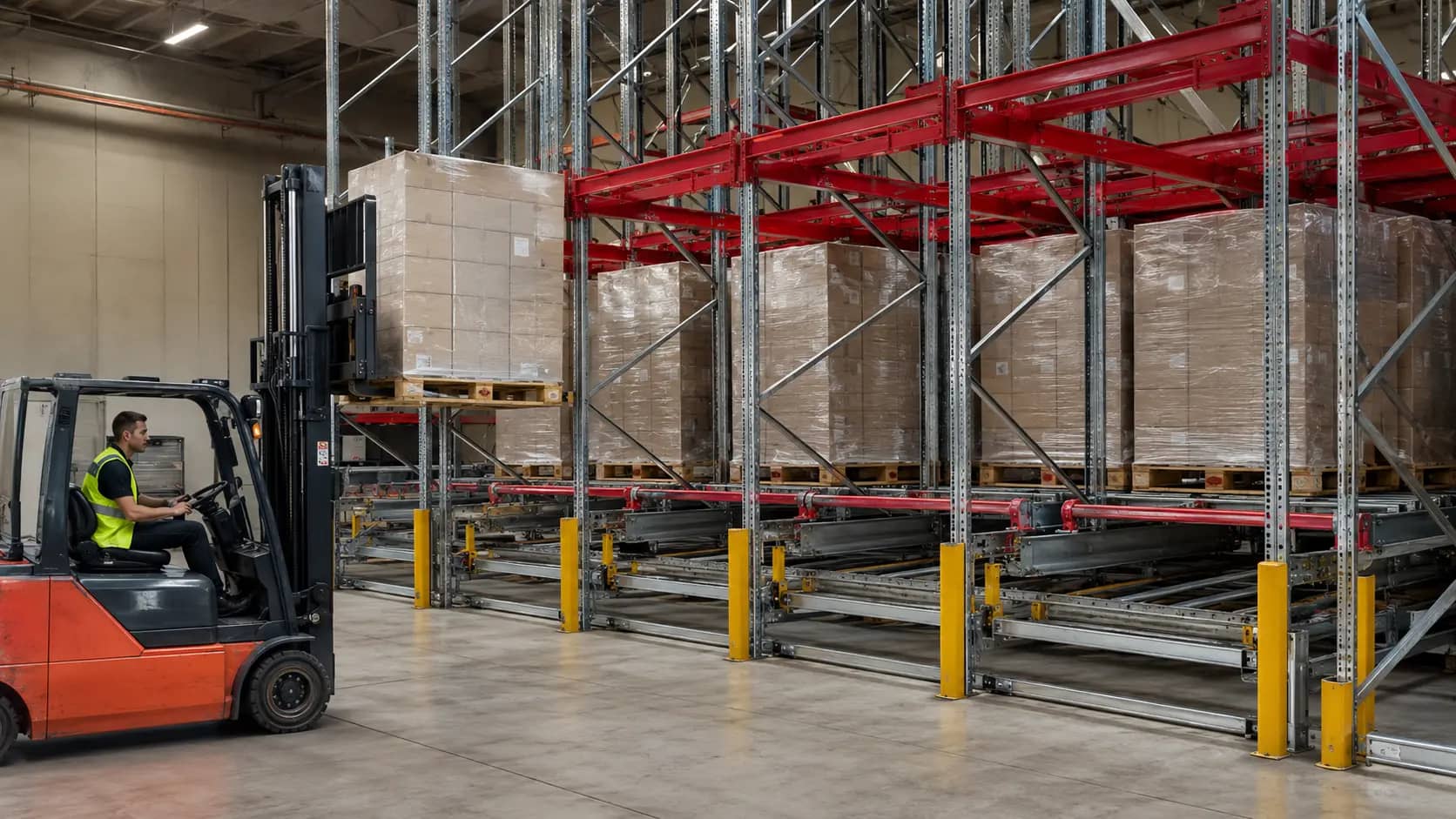
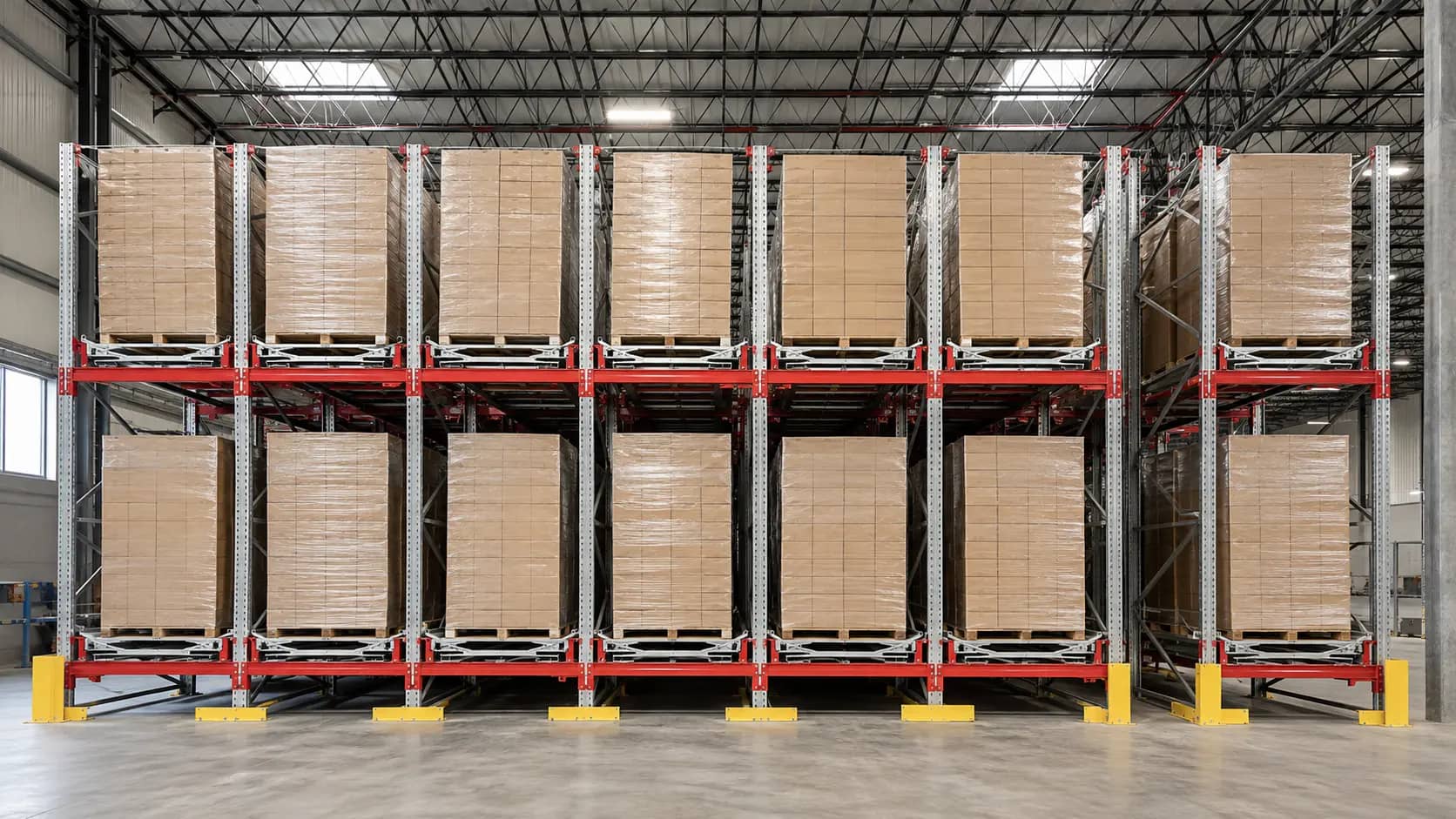
Push-back racking stores several pallets deep while operating from one aisle. For LIFO batches, compare lane capacity, load stability and pallet compatibility with carts or rollers.
Compare configurations: On carts; On rollers. Provide load dimensions, weight, packaging and issue frequency for selection.
Push-back racking stores several pallets deep on nested carts or roller lanes while being served from a single aisle. It is a compact LIFO system: each new pallet pushes the previous pallets back, and after the front pallet is removed the remaining pallets return to the picking position by gravity.
For Push-Back, compare Pallets, access, turnover, the number of stock items and compatibility with the actual handling equipment.
Specify the equipment for your warehouse: Frames, Carts or rollers, Rails, Stops. First define capacity and storage geometry, then select elements for the load and access method. Compare configurations to obtain a quotation for the selected structure. An engineer checks load-bearing elements and connections against the facility data.
For «Push-Back» receive geometry rows, nominal to positions and preliminary scope — input data for engineer verify and commercial offer.
The layout accounts for the single operating face, lane depth, number of available carts, level heights and safe vehicle positioning space. Rail geometry and pallet weight and quality must be compatible; maximum lane depth cannot be chosen solely to increase capacity.
With layout «Push-Back» on scale verify to, in, walls, equipment, working and cross aisle, zone acceptance, picking, replenishment and dispatch.
The operator must not ram the load or attempt to retrieve a pallet other than the front one. Check free cart travel, stops, synchronized return and a clear path; unstable loads and deformed pallets require a separate engineered solution. To approve Push-Back, provide the building plan, floor and truck specifications, maximum loads and handling process. These inputs distinguish a preliminary calculation from the detailed design.
For «Push-Back» grade load, periodic inspection, recording damaged and approval rearrangement levels save calculation diagram equipment.
Выберите отраслевую задачу и сравните требования к грузу, доступу и комплектации. Подберём «Push-Back» с учётом процессов вашего склада.
For “Finished goods and packaging”, “Push-Back” is designed around “Pallets” loads and “One lane face” access. The key check is production peaks and temporary batch accumulation; the solution may include shelving areas for packaging and piece picking.
Решение для отрасли →Склад и логистикаFor “Distribution centres”, “Push-Back” is designed around “Pallets” loads and “One lane face” access. The key check is shared work reserve and picking; the solution may include dock equipment, guard and marking.
Решение для отрасли →Sections and configurations of this type. Specifications and selected quantities are saved in your request.
Open in shop →Every stage for the “Push-back racking” system is adapted to its load, access technology and equipment scope. Input, design and specification versions never replace one another.
We record the request for “Push-back racking”: load — Pallets; access — One lane face; flow — LIFO.
The “Push-Back” quiz captures load dimensions and weight, building data, equipment, aisles and required capacity.
On the plan, we check how “Push-Back” rows fit between columns, doors and service zones without blocking operating aisles.
For “Push-Back”, we calculate geometry, module and level counts, nominal capacity and user-entered loads for Pallets.
The “Push-Back” scope is broken down into Frames, Carts or rollers, Rails; configuration options include On carts, On rollers.
We agree the “Push-Back” supply scope, dates, installation, input assumptions and items requiring engineering approval.
Production receives the approved “Push-Back” design revision with dimensions, connections, quantities and component marking.
“Push-Back” components are manufactured to approved drawings; unapproved profile or connection substitutions are not permitted.
We verify “Push-Back” component quantities and marking, coating, fasteners, guards and accompanying documents.
“Push-Back” packages follow the installation sequence so frames, levels and guards arrive as complete sets.
The “Push-Back” route and unloading plan account for component length, package weight, site access and temporary storage.
“Push-Back” rows are installed to the detailed design; geometry, anchoring, guards, load signs and completeness are checked.
For “Push-Back”, we retain inspection, damage and change history; expansion uses compatible components and the current design revision only.
Confirm the inputs for the “Push-back racking” system. Your answers become the parameters of this rack in the warehouse planner.
Дополните «Push-Back» совместимыми элементами: выберите параметры и количество для расчёта комплектации.
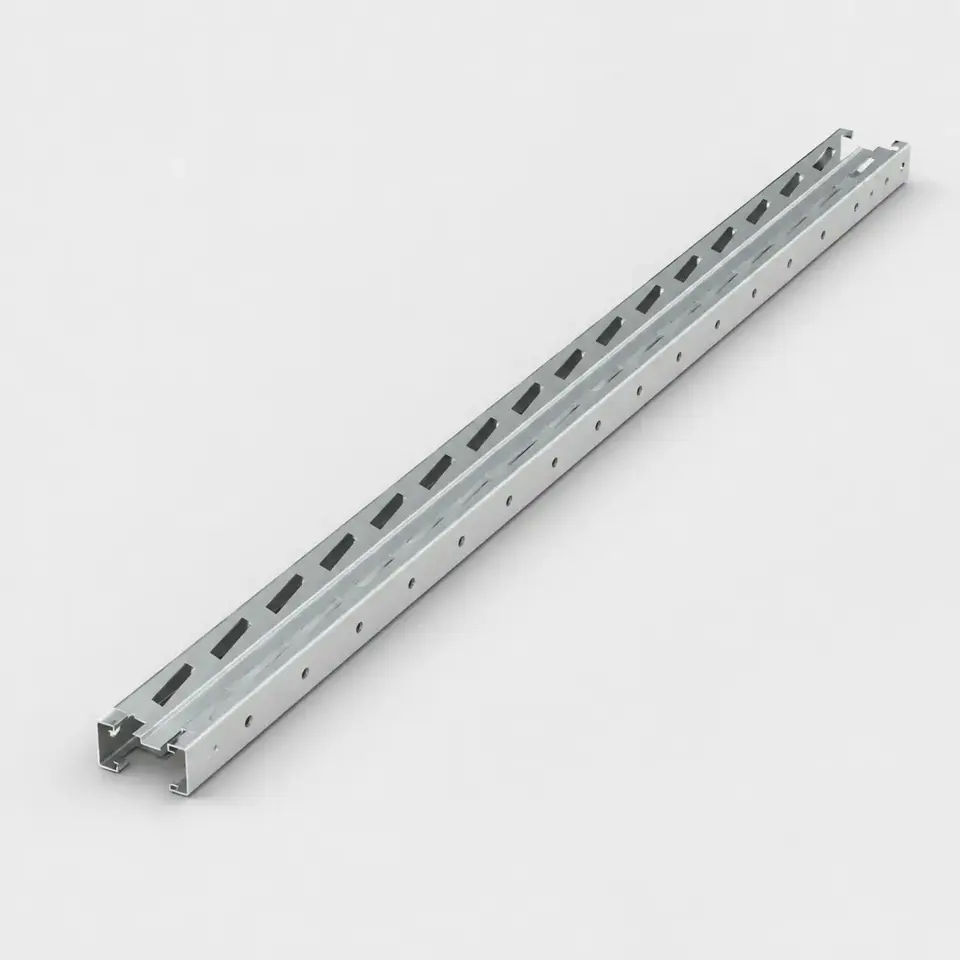 Профиль SU · SU 51-1.5
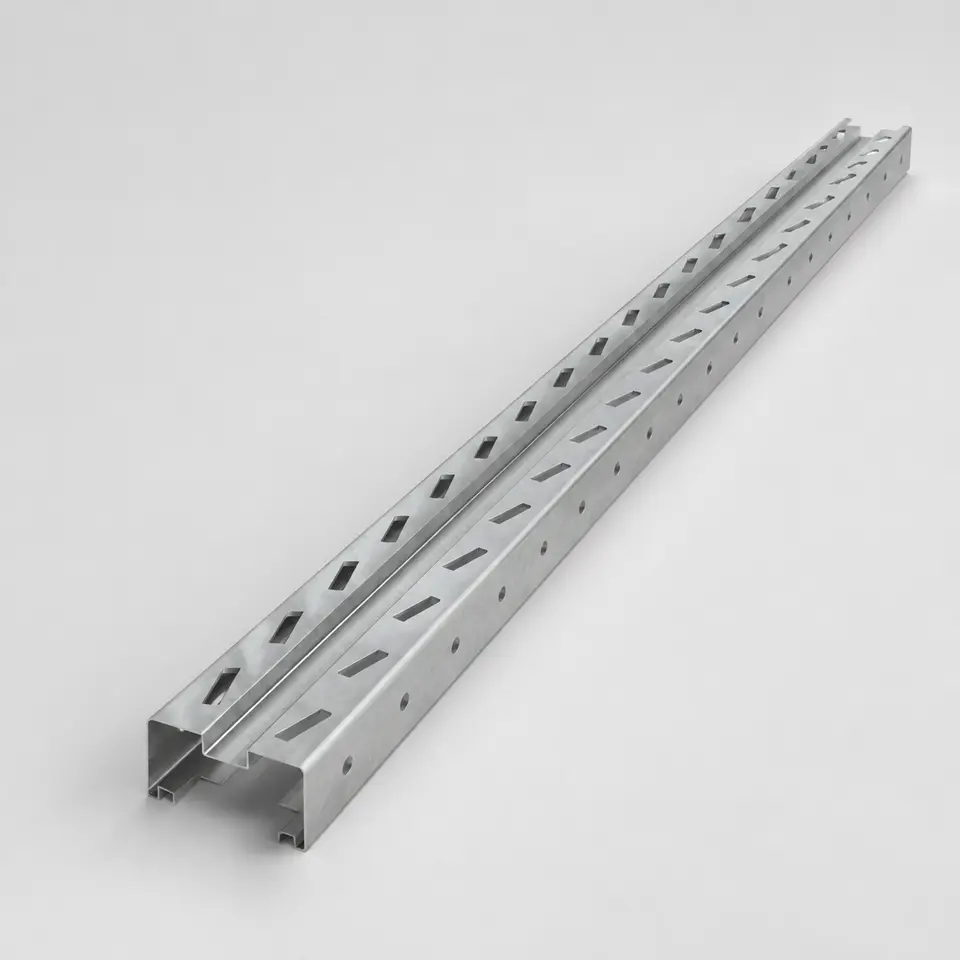 Профиль SU · SU 51-1.2
Укажите груз, помещение, технику и ожидаемый поток. Если есть план объекта, его можно передать ответом назначенному менеджеру после регистрации заявки.
Rack manufacturing starts with load dimensions, weight per level and the building layout. Profiles, connections and finishes are selected against the agreed specification. Geometry, markings and the completeness of the assembly kit are checked before dispatch.
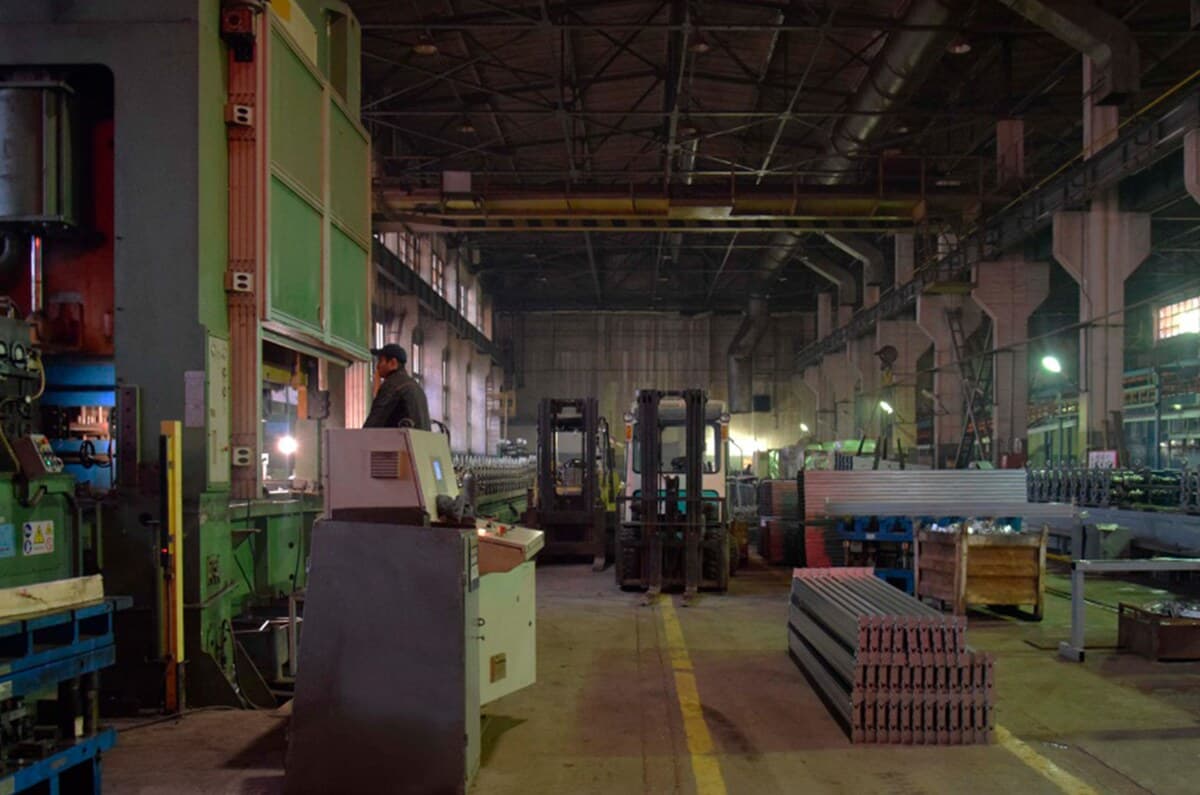
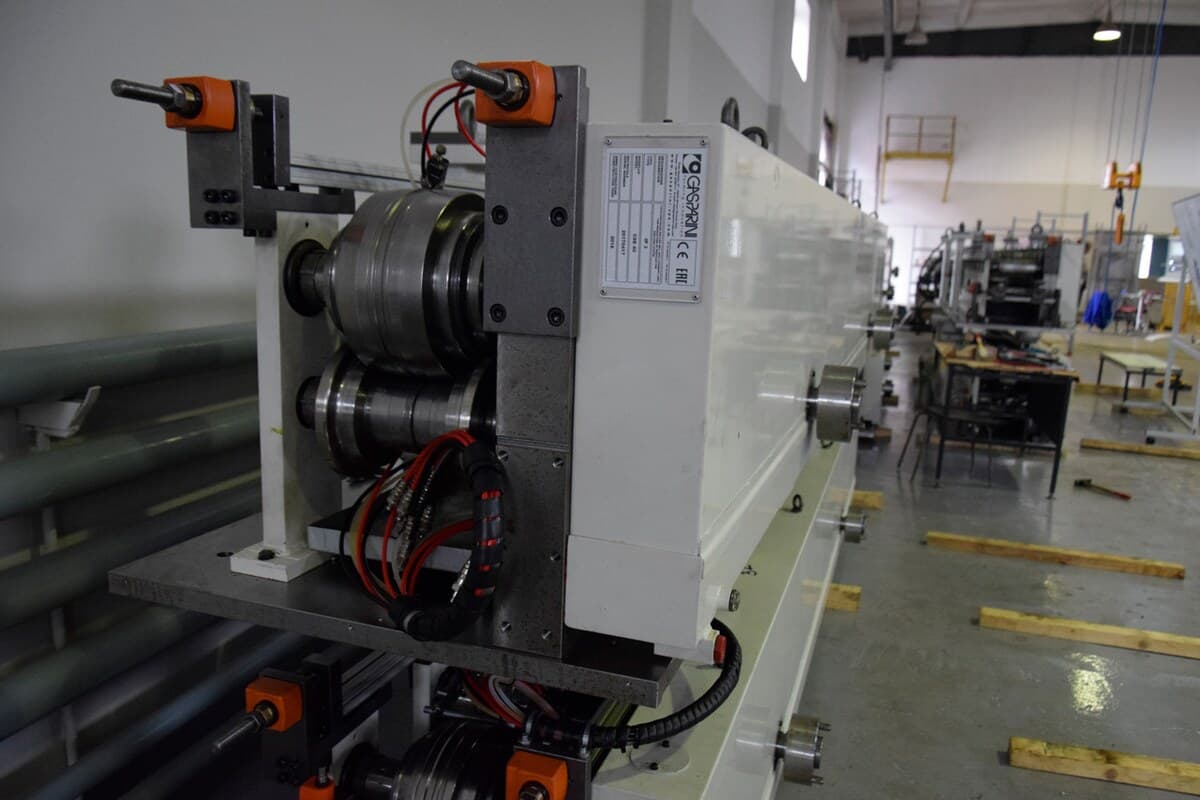
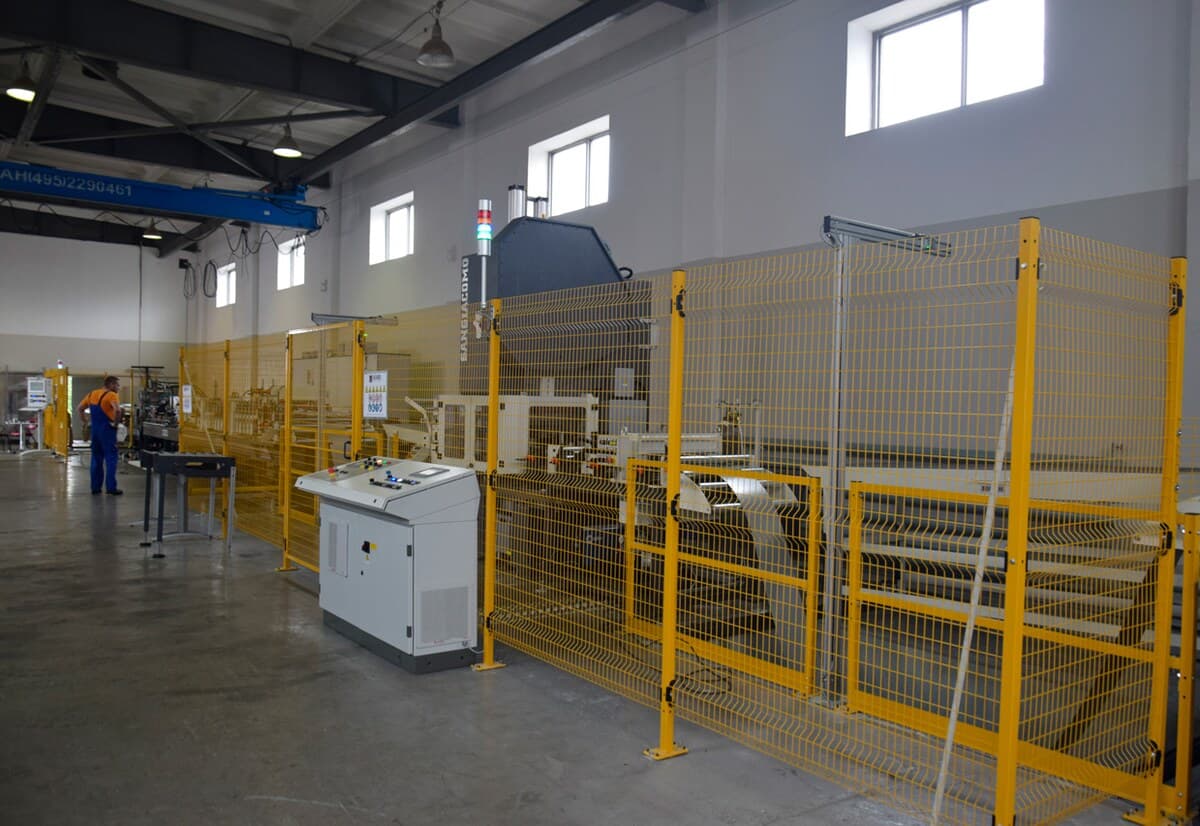
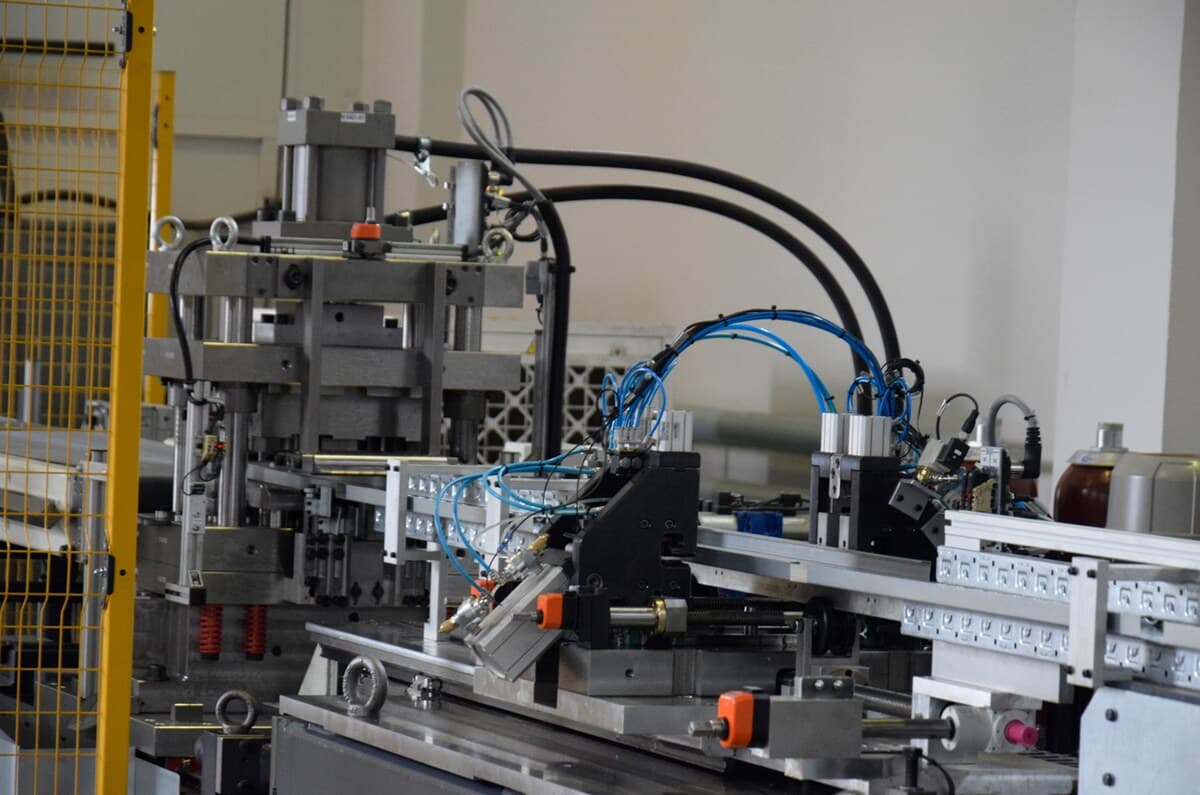
The photographs show Maxstore production facilities. The project specifies the components and permissible loads for your warehouse.