What we check before selection
- Large count small positions and series
- Separation access, quarantine, returns and blocked product
- Temperature, light, humidity and restricted access defined by site requirements
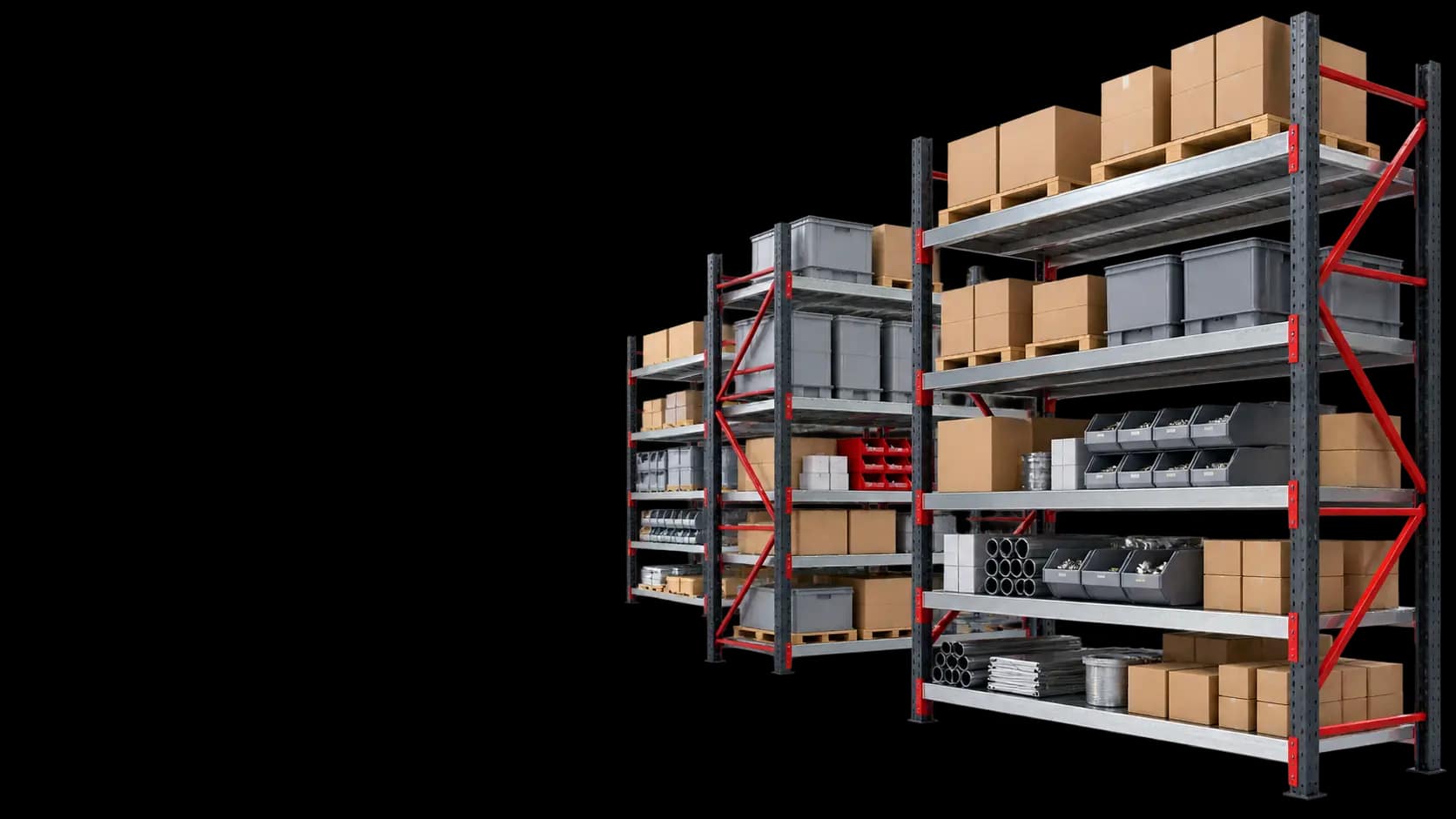
We link batches, expiry dates, product status and picking frequency to separate locations, access areas and confirmed storage conditions.
Racking supports addressing and physical separation but does not define a medicine's storage conditions. Temperature, light, humidity, access and status are determined by labelling, facility procedures and applicable storage requirements.
Compare storage methods for the application: Medicines and pharmacies: loads, access and flow help determine the suitable structure. We will agree on bay dimensions and levels according to your containers and equipment.
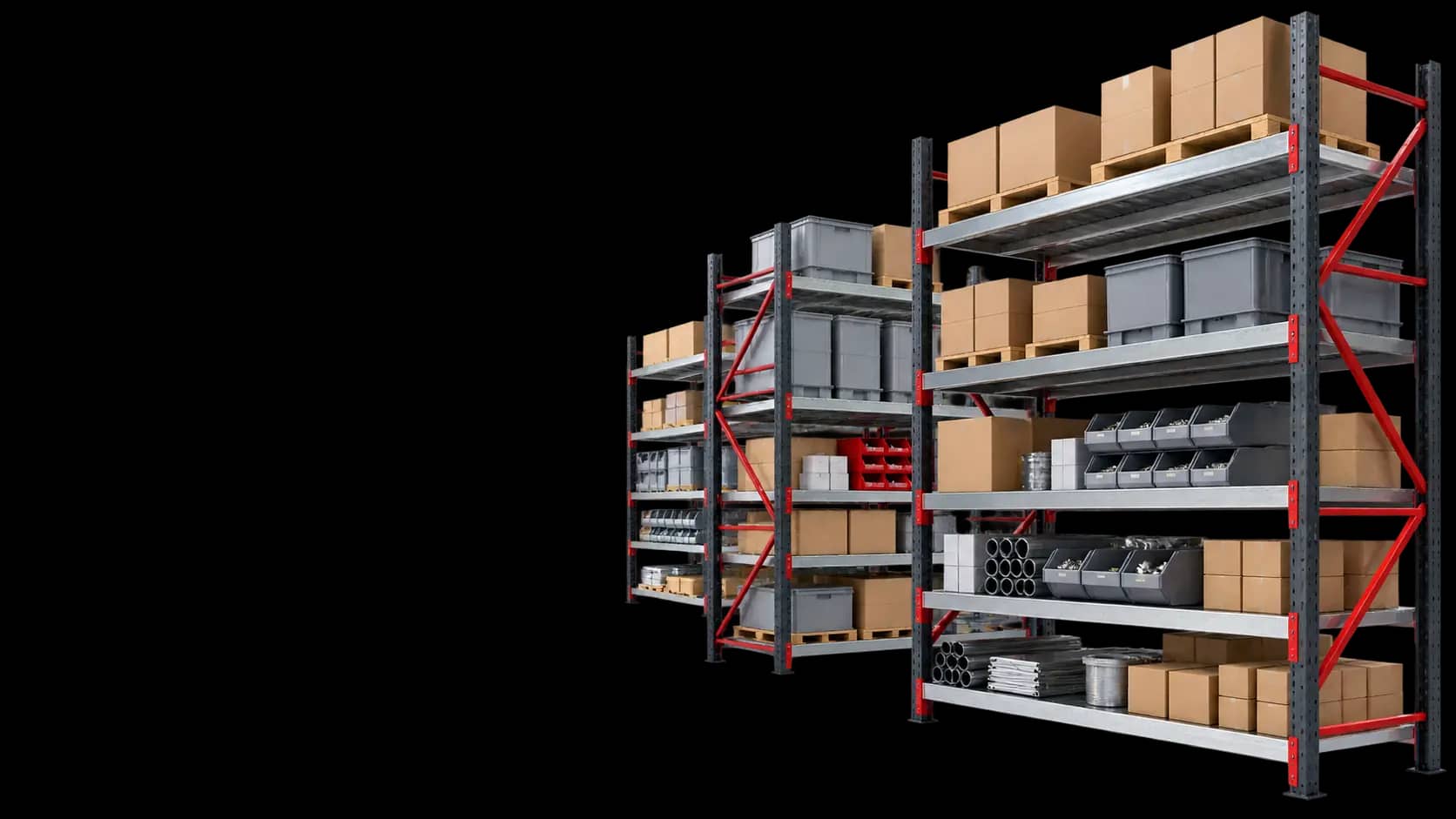 Cartons and piece goods · Configurator
Medicines and pharmacies: Cartons and piece goods · Every shelf
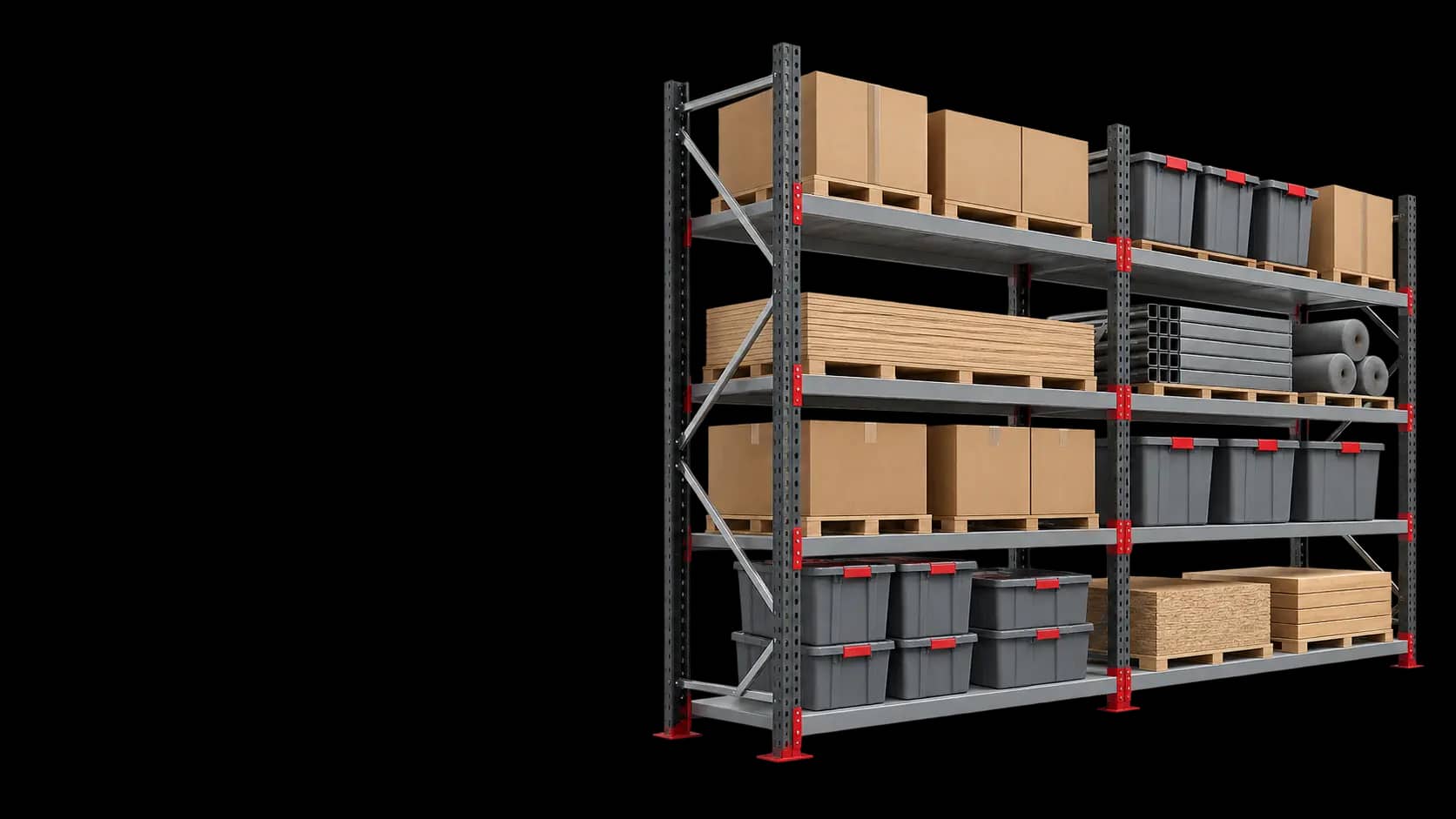 Cartons and piece goods · Configurator
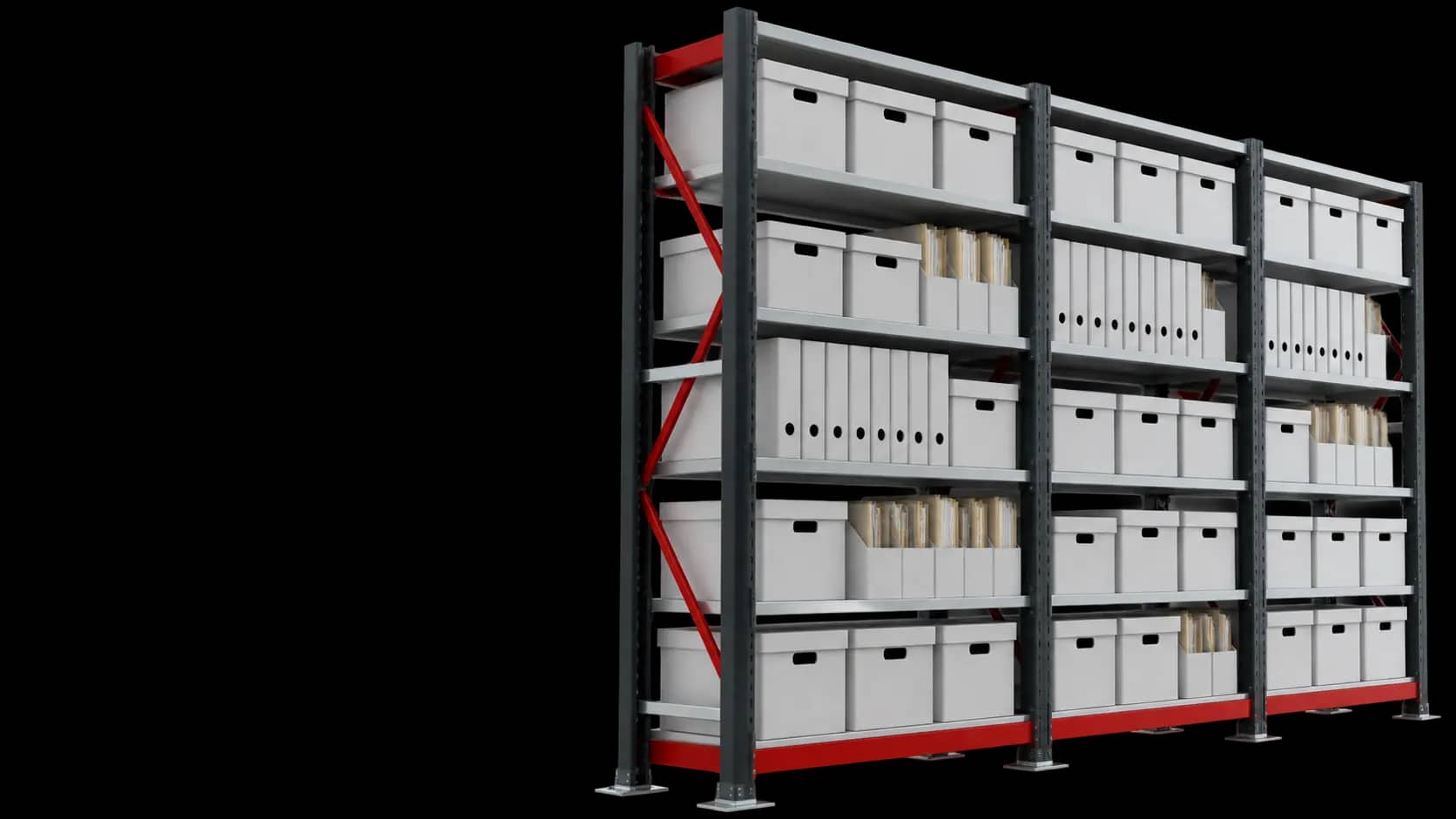
Medicines and pharmacies: Cartons and heavy piece goods · Every shelf
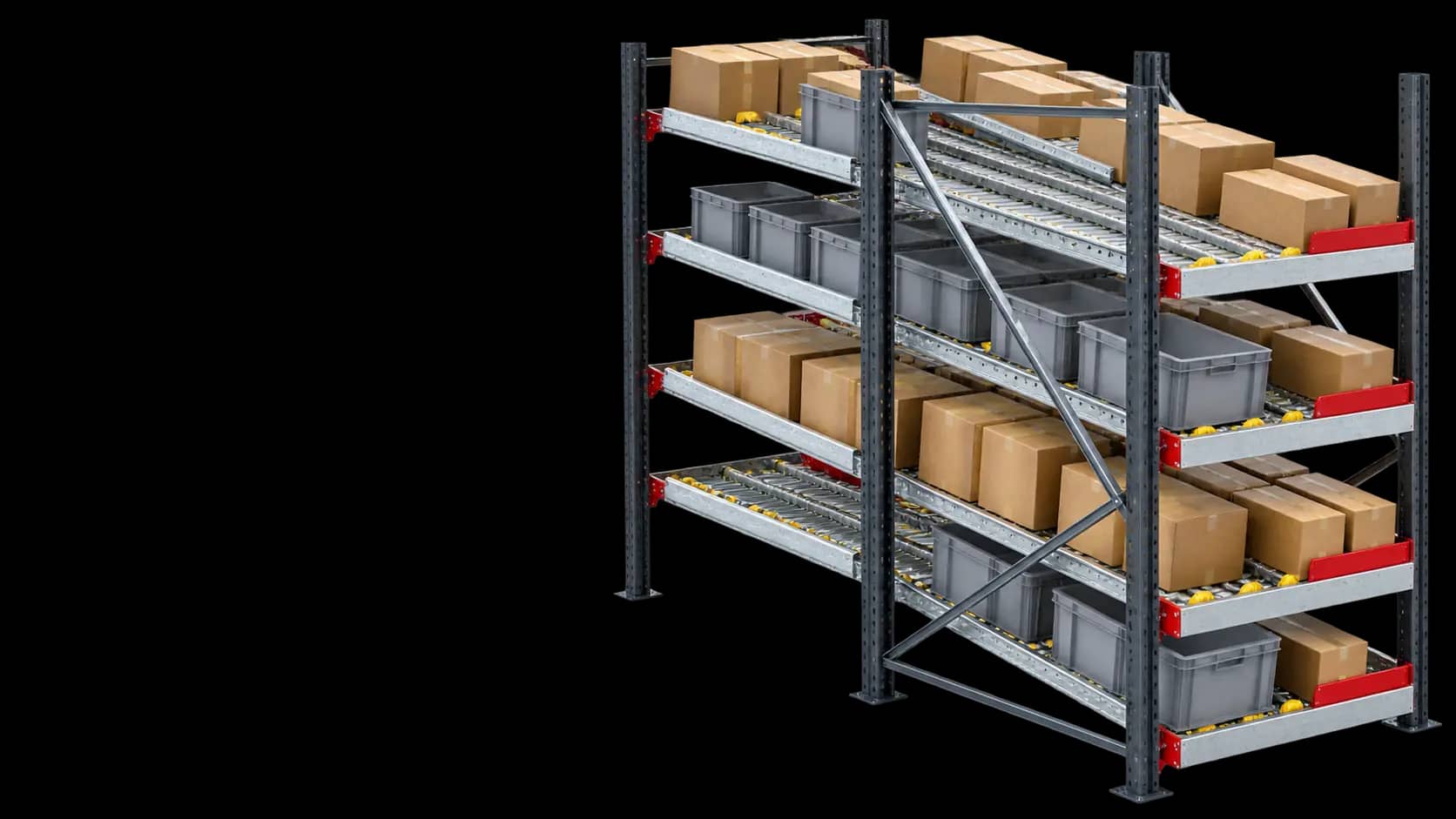 Cartons and piece goods · Engineering calculation
Medicines and pharmacies: Cartons, trays and KLT bins · Separate operating faces
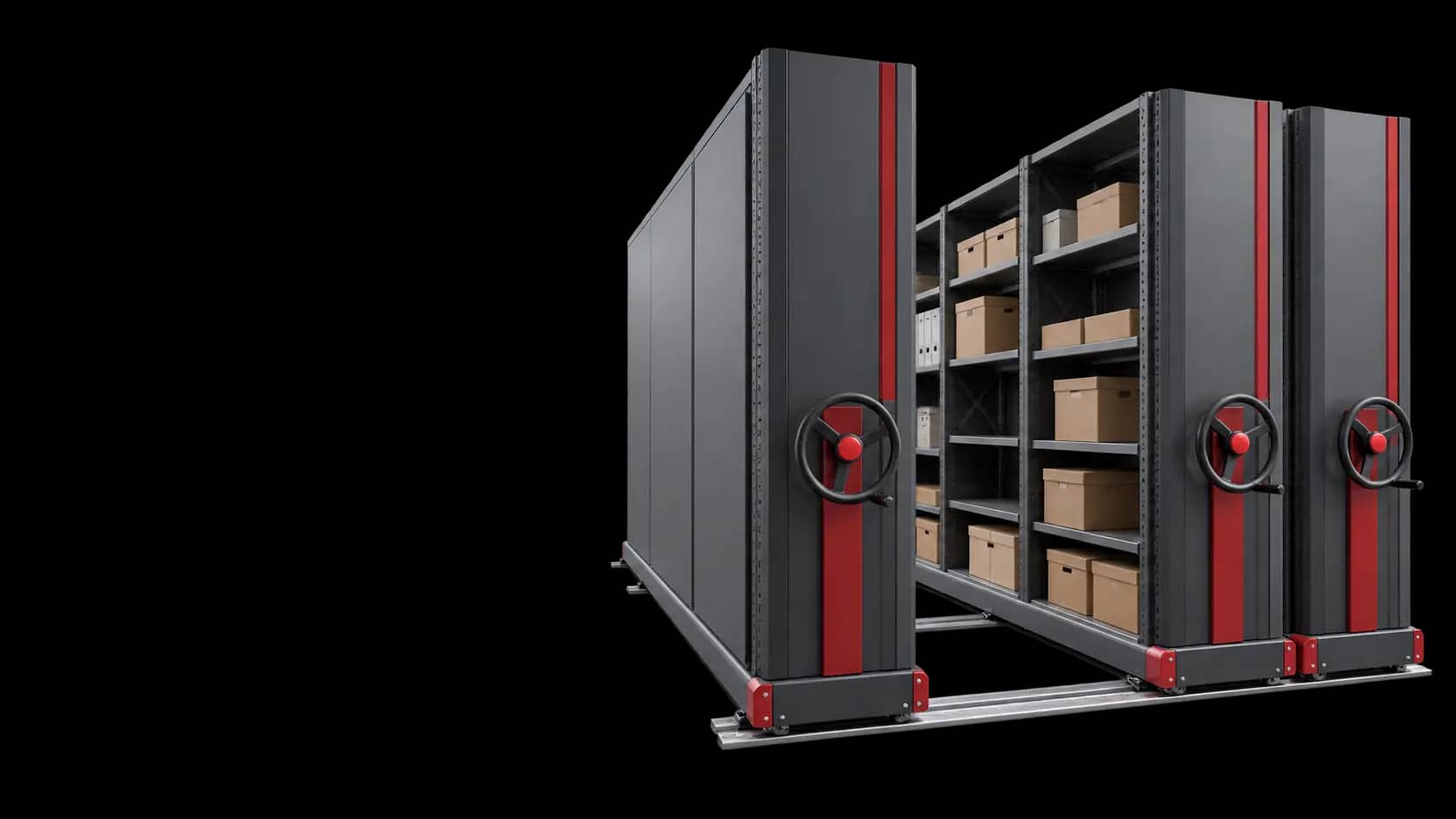 Cartons and piece goods · Engineering calculation
Medicines and pharmacies: Cartons, documents and piece goods · Through the active aisle
 Pallet storage · Configurator
Medicines and pharmacies: Pallets, big bags and containers · Every position
 Pallet storage · Engineering calculation
Medicines and pharmacies: Pallets or cartons · Two operating faces
 Cartons and piece goods · Configurator
Medicines and pharmacies: Documents and archive boxes · Manual
Prepare load and warehouse parameters for the selected system.
Shelf, bin or Carton Flow lane size is selected by pack format and turnover frequency. The address must distinguish batches and expiry dates, and replenishment must preserve sequence control. An excessively deep location complicates inspection and increases mixing risk.
Available stock is physically separated from quarantined, returned, blocked and disposal stock according to the facility process. A closed bay or separate room is selected for the required access regime; colour coding does not replace status control.
The layout must preserve environmental control and access for inspection and cleaning, avoid blocking equipment and prevent unmonitored spaces behind rows. Refrigerated storage uses a separate temperature-controlled zone; ordinary shelving alone does not prove that the regime is suitable.
Compare suitable bays and kits. Confirm load dimensions, weight and installation conditions before ordering.
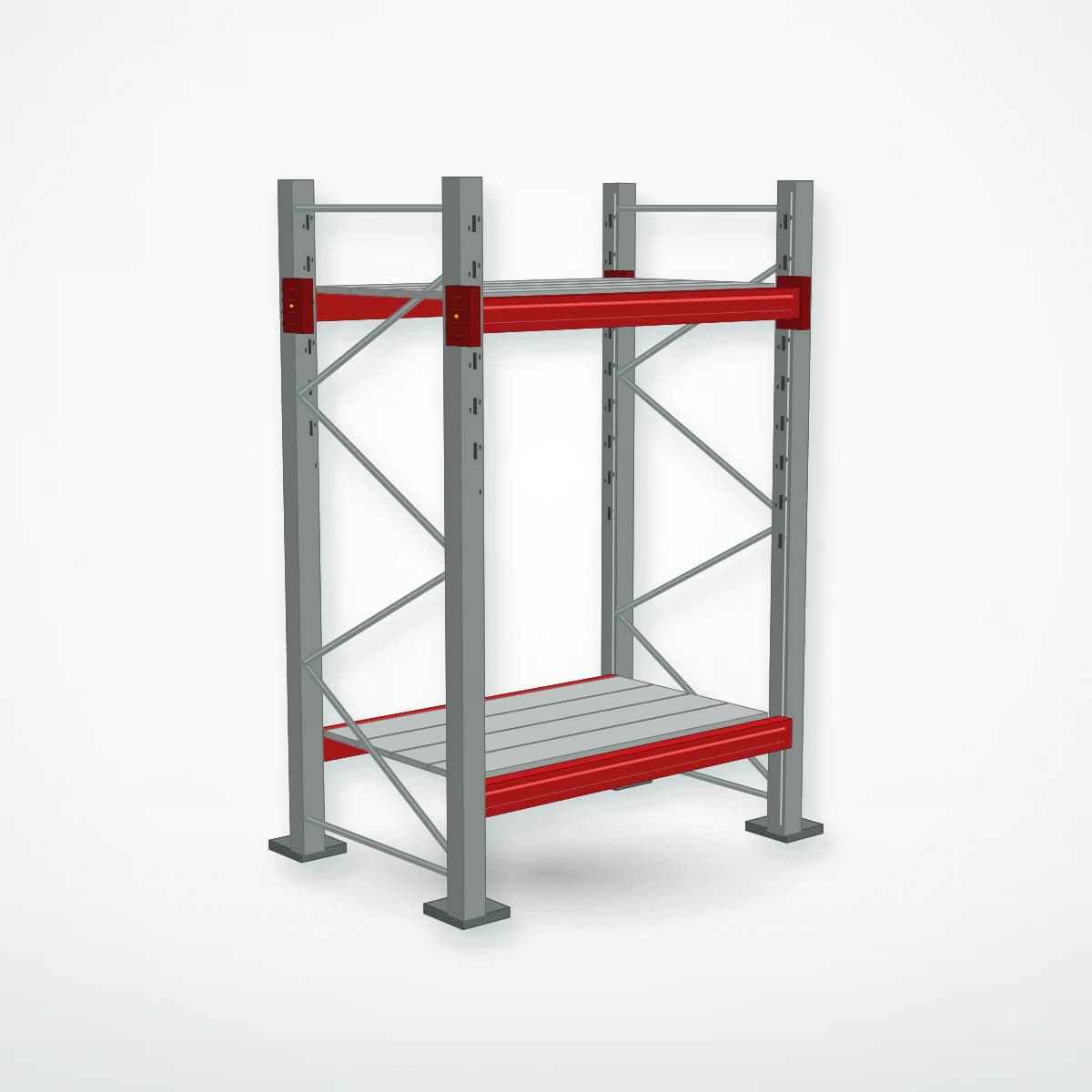 PF-DECK · MET900 · Starter bay
Create front-access storage with steel shelves for compatible pallets and containers. Front pallet bay with steel shelves 2000×1250×785, 2 levels, starter. Series PF-DECK MET900; dimensions H×W×D: 2000×1250×785 mm; 2 storage levels. The listed configuration has limits of 500 kg per level and 1000 kg per bay; both limits apply when arranging goods. Use this starter bay to begin a row and select compatible add-on bays for expansion. Confirm the loading arrangement, load supports and scope of supply before ordering.
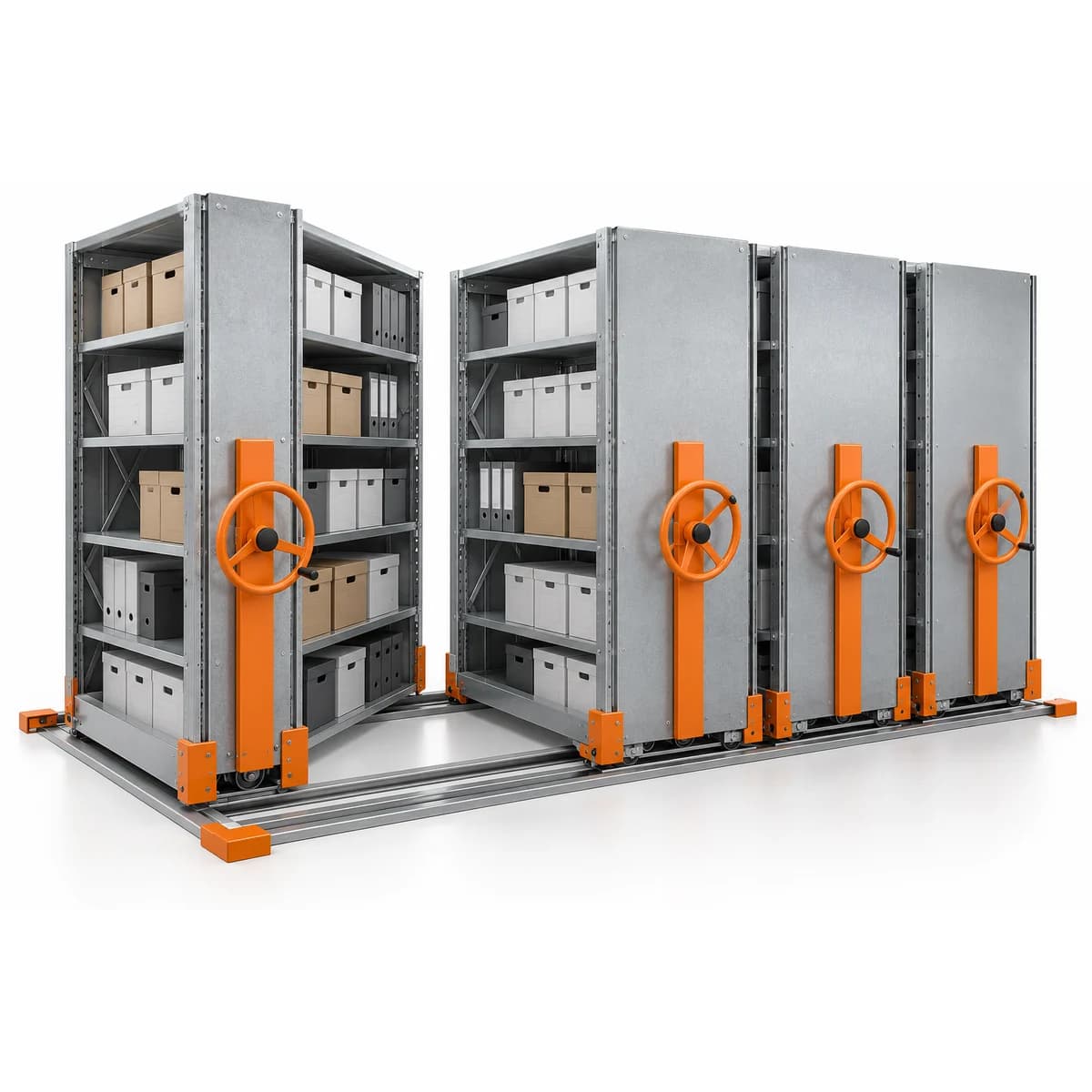 MB · Racking set
Mobile archive shelving Maxstore MB-01, 1 block. Use mobile shelving rows to open an aisle to the required stock group. Match capacity to access frequency, floor loading and operating requirements. Configuration height: 2300 mm; 6 levels; module width and depth: 3000×600 mm. Confirm load dimensions, operating aisles and supports. The target load is a design input; the permitted load is determined for the approved configuration.
 PF-STD · D1000 · Starter bay
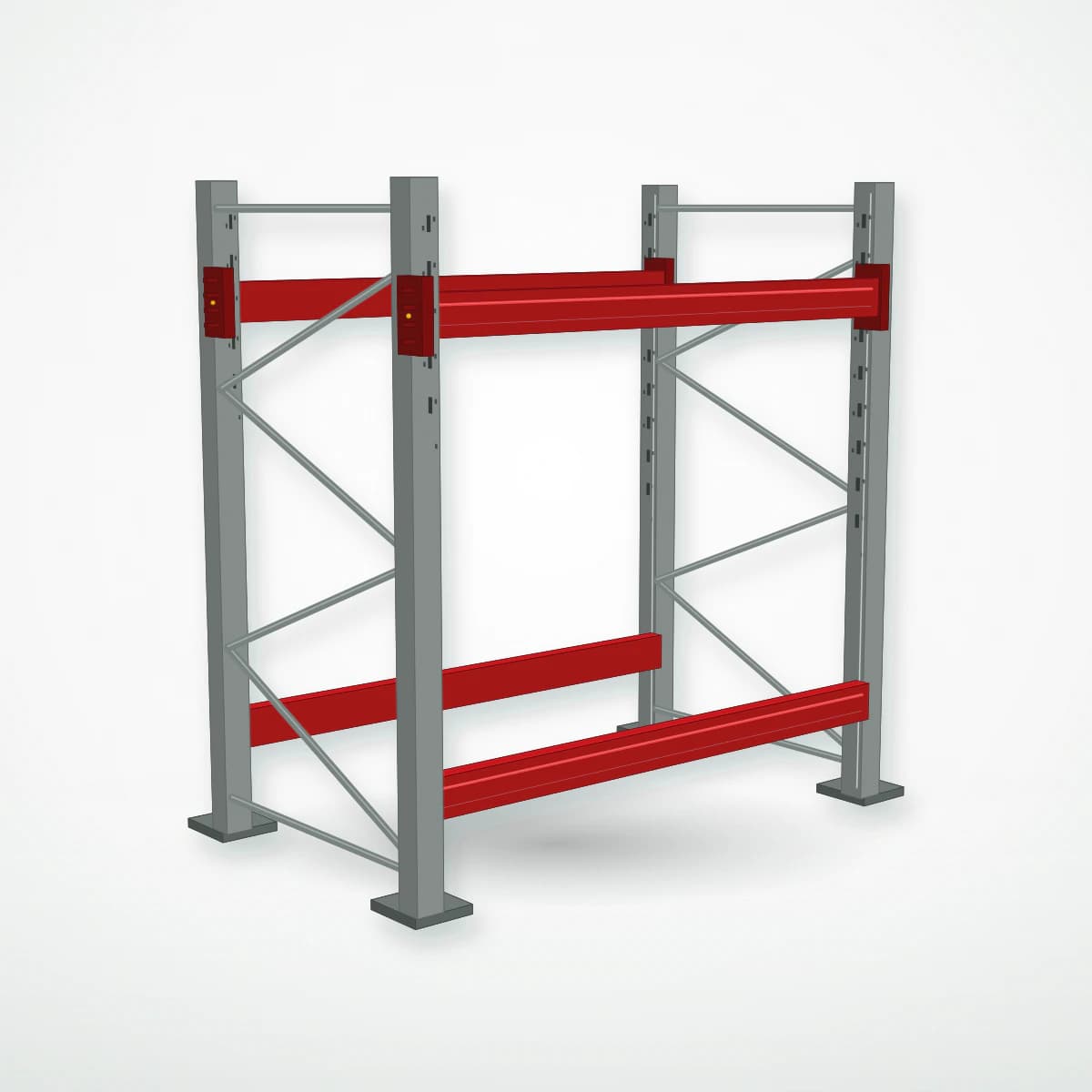
Arrange pallet storage with direct access to each position from the operating aisle. Front pallet bay without decking 2000×1800×1000, 2 levels, starter. Series PF-STD D1000; dimensions H×W×D: 2000×1800×1000 mm; 2 storage levels. The listed configuration has limits of 2200 kg per level and 4400 kg per bay; both limits apply when arranging goods. Use this starter bay to begin a row and select compatible add-on bays for expansion. Confirm the loading arrangement, load supports and scope of supply before ordering.
Describe your goods, building, handling equipment and expected throughput. If you have a site plan, reply to the assigned manager with the file after your request is registered.
